
Imagine waking up to the gentle sound of waves lapping against pristine white sand beaches, palm trees swaying in the breeze, and crystal-clear turquoise waters stretching as far as the eye can see. Welcome to the Philippines – a tropical paradise of over 7,000 islands that offers something for every type of traveler in 2025. Whether you’re seeking adventure through island hopping expeditions, looking to immerse yourself in rich cultural experiences, or simply wanting to unwind on some of the world’s most beautiful beaches, this comprehensive Philippines travel guide 2025 has you covered.
The Philippines stands out as one of Southeast Asia’s most captivating destinations, combining natural beauty with affordability and the convenience of English-speaking locals. As tourism continues to evolve post-pandemic, 2025 brings exciting developments in infrastructure, sustainability initiatives, and authentic cultural experiences across the archipelago. From the bustling streets of Manila to the serene beaches of Palawan, this guide will help you navigate the best this stunning country has to offer for your 2025 adventure.
Why Visit the Philippines in 2025
The Philippines has always been a dream destination for beach lovers and adventure seekers, but 2025 brings several compelling reasons to move this archipelago to the top of your travel list. Following years of careful tourism development, the country has enhanced its infrastructure while preserving the natural beauty that makes it so special.
One of the biggest draws is the remarkable value for money compared to other Southeast Asian destinations. While Thailand and Bali have seen significant price increases, the Philippines remains refreshingly affordable. A comfortable stay at a beachfront resort can cost 30-50% less than comparable accommodations in Thailand, with meals and activities similarly budget-friendly.
The country’s commitment to sustainable tourism is evident in 2025, with new eco-friendly resorts, improved waste management systems, and community-based tourism initiatives that benefit local populations. The successful rehabilitation of Boracay, which reopened with strict environmental regulations after a six-month closure in 2018, has become a model for sustainable tourism development across the archipelago.
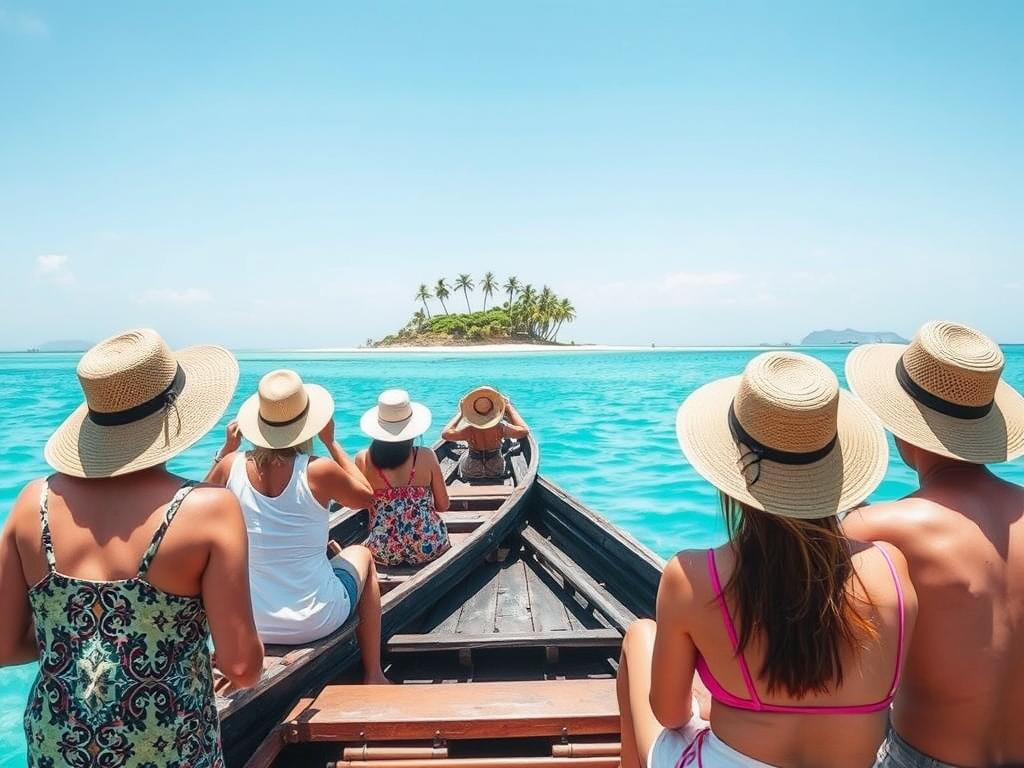
Transportation infrastructure has also seen significant improvements, with new airports in El Nido and Siargao reducing travel times and opening up previously hard-to-reach destinations. The inter-island ferry system has been modernized with faster, safer vessels, making island hopping more accessible than ever before.
Perhaps most importantly, the Philippines offers experiences you simply can’t find elsewhere. From swimming with whale sharks in Oslob to exploring the otherworldly Chocolate Hills of Bohol, from diving among WWII shipwrecks in Coron to surfing the perfect waves of Siargao – the diversity of experiences is unmatched in Southeast Asia.
Top Destinations in the Philippines for 2025
With thousands of islands to choose from, deciding where to go in the Philippines can be overwhelming. Here are the must-visit destinations for 2025, each offering its own unique charm and attractions.
Manila: The Gateway to the Philippines
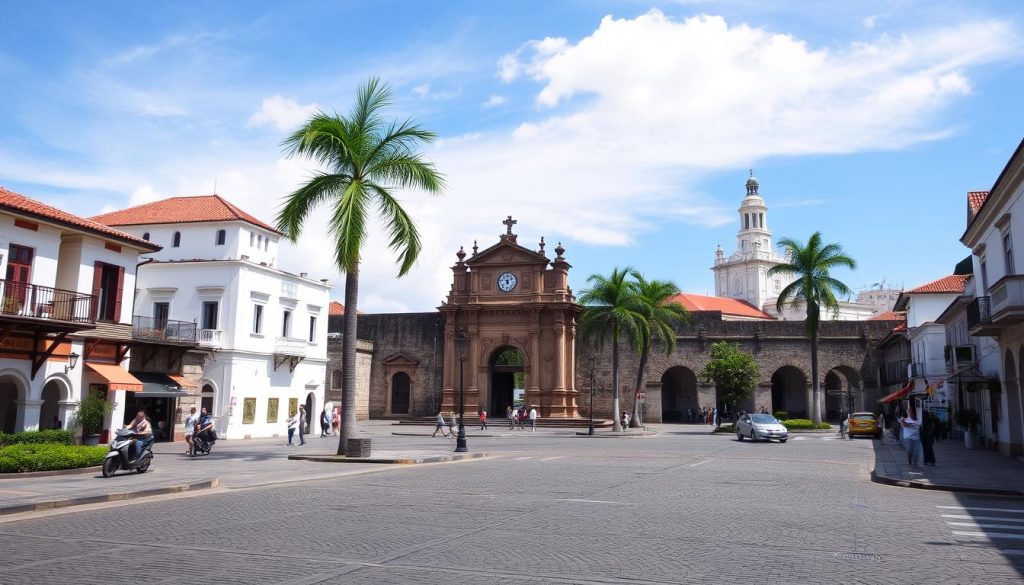
Most international travelers begin their journey in Manila, the bustling capital city. While many visitors quickly move on to the beaches, Manila rewards those who take time to explore its rich history and vibrant culture. The historic walled city of Intramuros offers a fascinating glimpse into the country’s Spanish colonial past, while neighborhoods like Makati and Bonifacio Global City showcase the modern, cosmopolitan side of the Philippines.
Where to Stay in Manila
For luxury travelers, the Peninsula Manila in Makati offers five-star accommodations with exceptional service. Budget-conscious travelers will find excellent value at the Hop Inn Hotel in Ermita, conveniently located near major attractions.
Palawan: The Last Frontier
Consistently ranked among the world’s most beautiful islands, Palawan lives up to its reputation with dramatic limestone cliffs, hidden lagoons, and some of the clearest waters you’ll ever see. El Nido and Coron are the main tourist hubs, offering stunning island hopping opportunities through archipelagos of small, uninhabited islands.
In 2025, new sustainable resorts have opened in the less-developed Port Barton area, offering a quieter alternative to El Nido’s increasingly popular beaches. The UNESCO World Heritage-listed Puerto Princesa Subterranean River National Park continues to amaze visitors with its underground river system that winds through spectacular cave formations.
Best Island Hopping Tours in El Nido
For the ultimate Palawan experience, book a private island hopping tour that takes you to the Big and Small Lagoons, hidden beaches, and snorkeling spots away from the crowds. Multi-day expeditions from El Nido to Coron offer a more immersive adventure.
Cebu: The Perfect Balance
Cebu offers an ideal mix of urban convenience and natural beauty. Cebu City provides all the amenities of a major urban center, while the island’s coastline is dotted with white sand beaches and world-class diving spots. In the north, Malapascua Island is famous for almost guaranteed sightings of thresher sharks, while the south offers opportunities to swim with whale sharks in Oslob (though ethical concerns about feeding practices remain).
The 2025 season brings new eco-adventure activities in Cebu’s central mountains, including canyoneering at Kawasan Falls and hiking to the peak of Osmena Peak for panoramic views of the island’s unique landscape.
Bohol: Natural Wonders and Wildlife
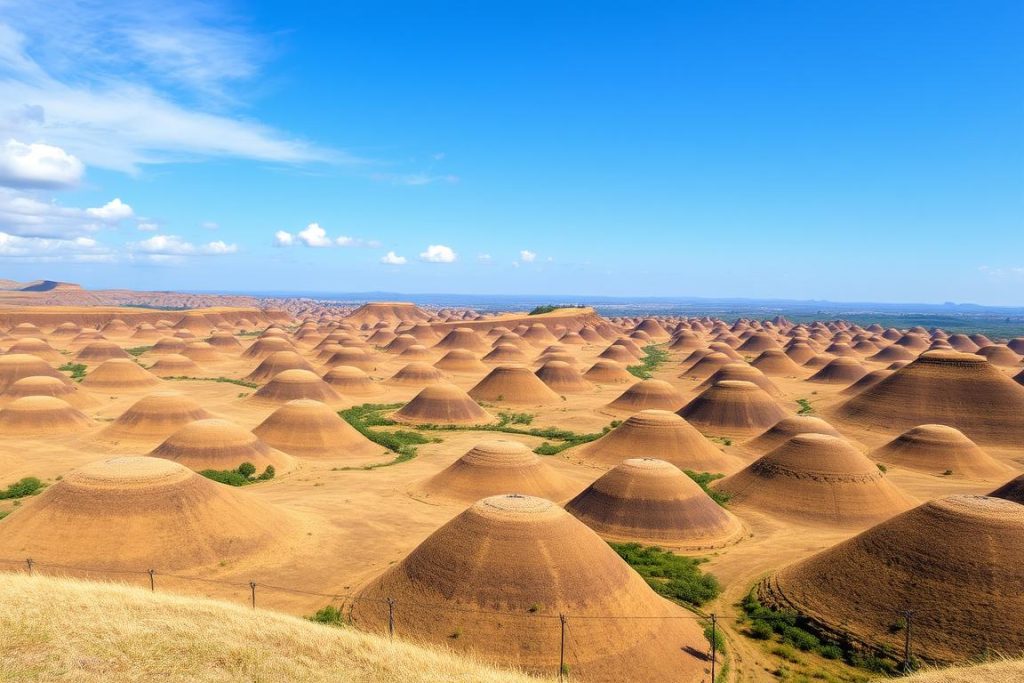
Just a short ferry ride from Cebu, Bohol is home to the iconic Chocolate Hills – over 1,200 perfectly cone-shaped hills that turn brown in the dry season. The island also offers opportunities to see the adorable Philippine tarsier, one of the world’s smallest primates, in protected sanctuaries.
Panglao Island, connected to Bohol by bridge, features beautiful white sand beaches and excellent diving at Balicasag Island Marine Sanctuary. New for 2025, several eco-resorts have opened along the quieter eastern coast, offering a more secluded experience away from the main tourist areas.
Siargao: Surfer’s Paradise
Once known only to dedicated surfers, Siargao has blossomed into a well-rounded destination that appeals to both wave-chasers and those simply seeking a laid-back island vibe. The famous Cloud 9 surf break continues to attract surfers from around the world, while the island’s interior offers coconut palm forests, hidden lagoons, and authentic Filipino village life.
In 2025, Siargao has managed to develop thoughtfully, with new boutique accommodations and farm-to-table restaurants enhancing the experience without compromising the island’s relaxed atmosphere. The improved airport now offers direct flights from Manila and Cebu, making this once-remote paradise much more accessible.
Boracay: The Reborn Classic
After its environmental rehabilitation and reopening with strict capacity controls, Boracay has reclaimed its status as one of the Philippines’ premier beach destinations. The famous White Beach still offers powder-soft sand and stunning sunsets, but with a more sustainable approach to tourism that preserves its natural beauty.
New regulations limit the number of visitors and enforce environmental standards, resulting in cleaner beaches and waters. While still lively, Boracay in 2025 offers a more balanced experience that combines beach relaxation with responsible tourism practices.
Best Beaches in the Philippines for 2025
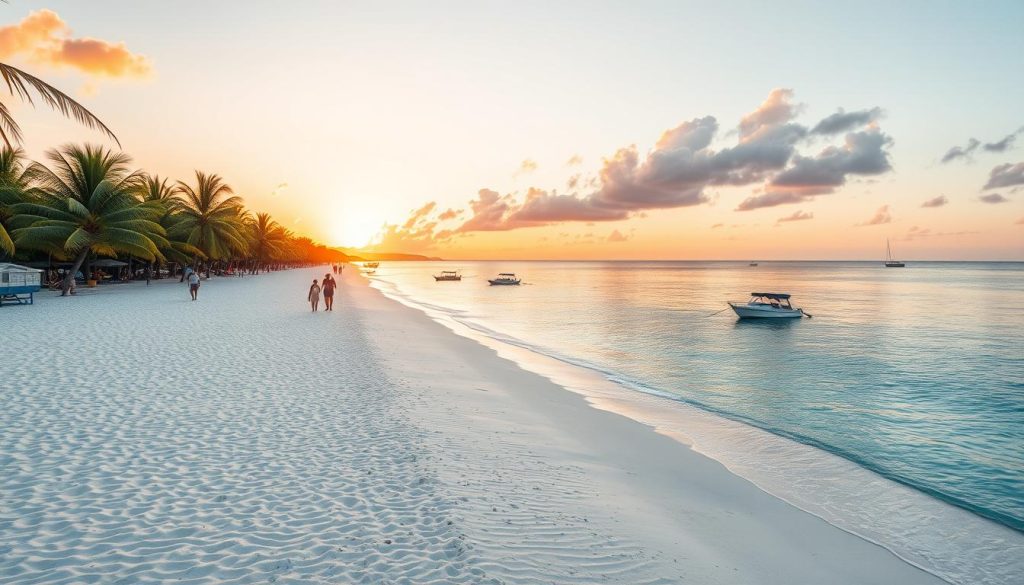
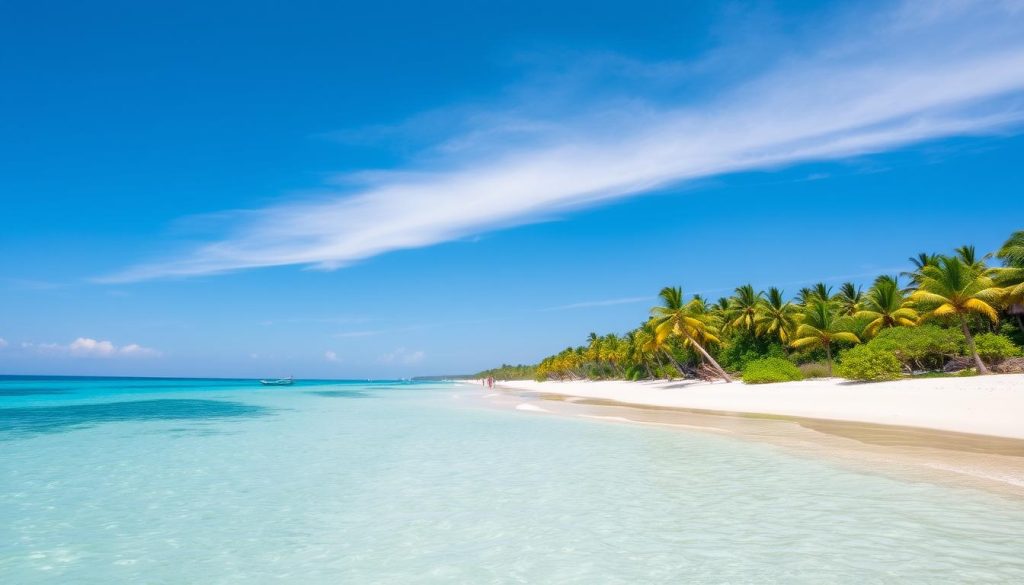
With thousands of islands, the Philippines boasts some of the world’s most spectacular beaches. Here are the standout stretches of sand to add to your 2025 itinerary:
El Nido’s Hidden Beaches
El Nido in Palawan is renowned for its secluded beaches nestled between towering limestone cliffs. Nacpan Beach, a 4-kilometer stretch of golden sand, offers a less crowded alternative to the beaches closer to town. For true seclusion, the beaches of Miniloc and Shimizu Islands, accessible only by boat, provide picture-perfect settings with powdery white sand and crystal-clear waters ideal for snorkeling.
Experience El Nido’s Island Paradise
Discover the hidden beaches and lagoons of El Nido with a private boat tour tailored to your preferences. Avoid the crowds and visit the most beautiful spots with your own schedule.
Siargao’s Surf Beaches
While Siargao is famous for Cloud 9, its premier surf break, the island offers several beautiful beaches for non-surfers too. Malinao Beach provides a peaceful stretch of white sand with gentle waves perfect for swimming, while Pacifico Beach in the north offers a more rugged, wild beach experience with dramatic views and fewer visitors.
Boracay’s White Beach
Despite its popularity, White Beach in Boracay remains one of the Philippines’ most beautiful coastlines. The 4-kilometer stretch is divided into three stations, with Station 1 offering the widest beach and most upscale resorts, Station 2 serving as the lively center, and Station 3 providing a more relaxed, budget-friendly atmosphere.
Coron’s Island Beaches
The beaches around Coron offer a perfect combination of white sand, turquoise waters, and dramatic limestone backdrops. Banul Beach provides excellent snorkeling right off the shore, while CYC Beach offers a pristine stretch of sand on an uninhabited island. For a unique experience, Twin Lagoon combines beach relaxation with the adventure of swimming through a small crevice to reach a hidden lagoon.
Panglao’s Alona Beach
On Bohol’s neighboring island of Panglao, Alona Beach offers a kilometer-long stretch of white sand lined with restaurants, bars, and dive shops. While developed, it retains its charm and serves as an excellent base for exploring Bohol’s attractions. For a quieter alternative, nearby Dumaluan Beach offers similar white sand and clear waters with fewer crowds.
Culture & Festivals in the Philippines
The Philippines’ cultural landscape is a fascinating blend of indigenous traditions, Spanish colonial influence, and American pop culture, creating a unique identity unlike anywhere else in Asia. Understanding and experiencing this rich culture adds another dimension to your Philippines adventure in 2025.
Filipino Hospitality
Perhaps the most remarkable aspect of Filipino culture is the genuine warmth and hospitality of the people. Filipinos take great pride in welcoming visitors and will often go out of their way to help travelers. Don’t be surprised if you’re invited to family gatherings or offered food and drinks in even the most humble homes – this generosity is deeply ingrained in the culture.
Catholic Traditions
As the only predominantly Catholic country in Asia, religious traditions play a significant role in Filipino life. Ornate Spanish colonial churches can be found throughout the country, many dating back to the 16th century. Sunday Mass is an important weekly event in most communities, and religious festivals are celebrated with enthusiasm and color.
Must-Experience Festivals
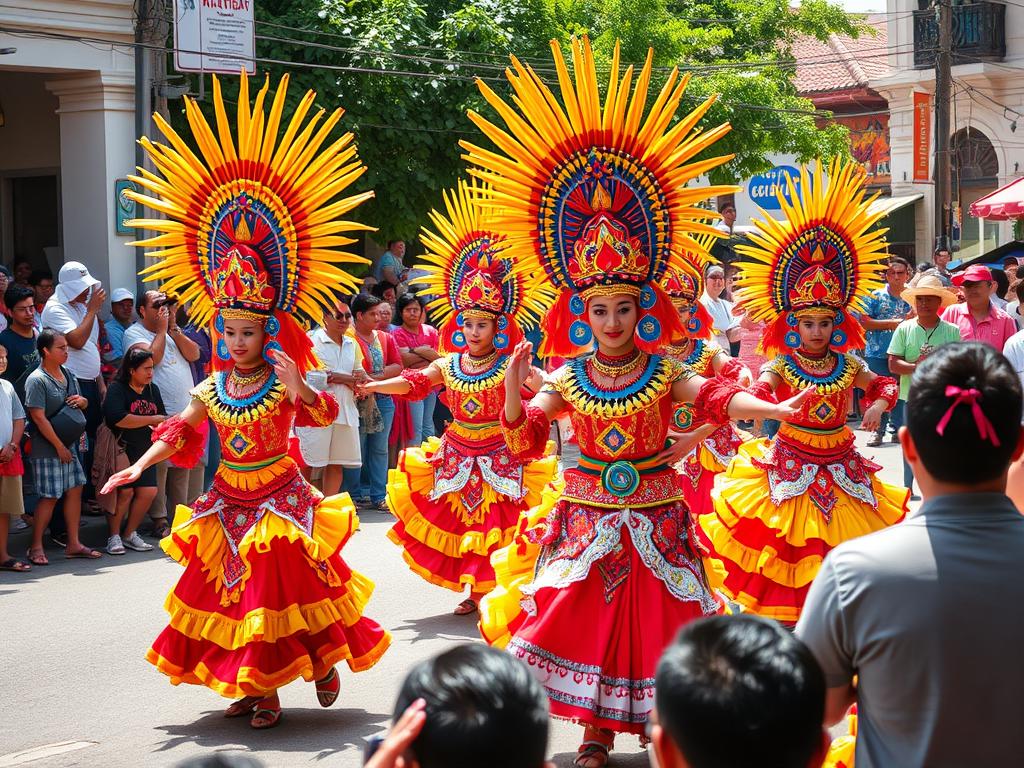
Timing your visit to coincide with one of the Philippines’ vibrant festivals offers an unforgettable cultural experience. The Sinulog Festival in Cebu (January) honors the Santo Niño (Child Jesus) with colorful parades, traditional dancing, and street parties. The Ati-Atihan Festival in Kalibo (also January) features tribal-inspired costumes, face painting, and rhythmic drumming in honor of the Santo Niño.
For a unique experience, the Pahiyas Festival in Lucban (May) sees houses decorated with colorful rice wafers, fruits, and vegetables in a spectacular display of thanksgiving for a bountiful harvest. In 2025, many festivals have incorporated sustainability themes, reducing single-use plastics and emphasizing traditional, eco-friendly decorations.
Respectful Cultural Engagement
When visiting churches, modest dress is appreciated – cover shoulders and knees as a sign of respect. When invited into Filipino homes, removing shoes at the door is customary in many households. Small gifts for hosts, particularly food items that can be shared, are always appreciated but never expected.
When visiting indigenous communities, particularly in northern Luzon or Mindanao, always seek permission before taking photographs and be willing to pay a small fee if requested. Many communities have established their own tourism guidelines to ensure their traditions are respected while allowing visitors to learn about their way of life.
Filipino Food & Drink to Try in 2025
Filipino cuisine remains one of Southeast Asia’s most underrated culinary treasures, blending Malay, Spanish, Chinese, and American influences into something uniquely its own. In 2025, a new wave of Filipino chefs is elevating traditional dishes while maintaining their authentic flavors.

Must-Try Filipino Dishes
Adobo – The unofficial national dish, adobo features meat (usually chicken or pork) marinated and simmered in vinegar, soy sauce, garlic, and black peppercorns. Every family has their own version, making this a dish worth trying multiple times during your visit.
Lechon – Whole roasted pig with crispy skin and tender meat, lechon is the centerpiece of any Filipino celebration. The best versions can be found in Cebu, where they’re stuffed with lemongrass, onions, and other aromatics before roasting.
Sinigang – This sour soup made with tamarind, vegetables, and meat or seafood is perfect for rainy days. The tangy broth is refreshing despite the tropical heat.
Kare-Kare – A rich stew made with oxtail, vegetables, and a thick peanut sauce, traditionally served with bagoong (fermented shrimp paste) on the side.
Halo-Halo – This colorful dessert combines shaved ice, sweet beans, jellies, fruits, and purple yam ice cream into a refreshing treat perfect for hot afternoons.
Balut – For the adventurous eater, this fertilized duck egg with a partially developed embryo is a popular street food, typically consumed with salt and vinegar.
Drinks to Refresh and Celebrate
San Miguel Beer is the national brew, available everywhere from beach bars to mountain retreats. For something stronger, try Tanduay Rum, produced in the Philippines since 1854. Non-alcoholic options include buko (young coconut) juice served directly from the coconut, and calamansi juice, made from local citrus and served sweetened over ice.
Where to Eat
For an authentic experience, seek out carinderia – small, family-run eateries serving home-style Filipino food at very reasonable prices. These local institutions offer a true taste of Filipino cuisine without the frills.
In major tourist destinations, a new wave of modern Filipino restaurants offers traditional dishes with contemporary presentations. In Manila, Toyo Eatery and Sentro 1771 showcase Filipino flavors in innovative ways, while provincial cities like Cebu and Bacolod offer their own regional specialties.
Discover Filipino Cuisine
Experience the best of Filipino food with a guided food tour in Manila, sampling everything from street food to traditional dishes in local neighborhoods.
Scuba Diving in the Philippines
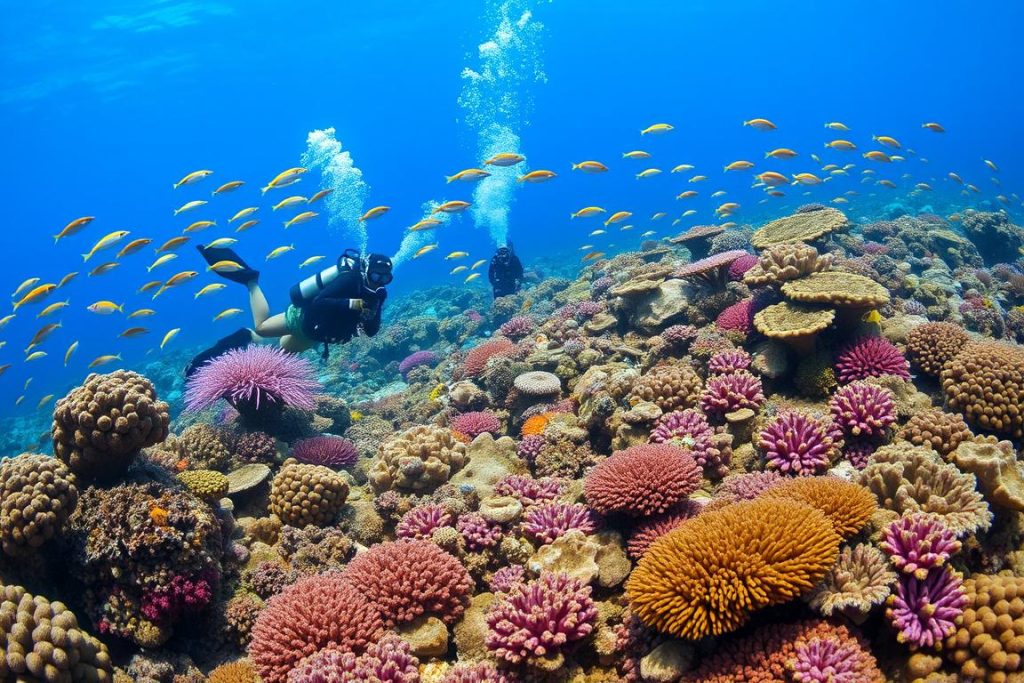
Located within the Coral Triangle, the Philippines offers some of the world’s most diverse marine ecosystems, making it a premier destination for divers of all levels. With water temperatures ranging from 26-30°C year-round and visibility often exceeding 30 meters, conditions are ideal for exploring the underwater wonders.
Top Diving Destinations
Tubbataha Reefs Natural Park – This UNESCO World Heritage site in the Sulu Sea is accessible only by liveaboard boats during the diving season (March to June). The remote location ensures pristine conditions, with over 600 fish species, 360 coral species, and frequent sightings of sharks, turtles, and manta rays.
Apo Reef – The second-largest contiguous coral reef system in the world, Apo Reef offers wall dives, drift dives, and a chance to see larger pelagic species like sharks and rays. Day trips are possible from Mindoro, but overnight trips allow for more dives and better timing.
Malapascua Island – Famous for almost guaranteed sightings of thresher sharks at Monad Shoal, this small island north of Cebu has developed into a diving paradise with professional dive operations and accommodations for all budgets.
Anilao – Just a few hours’ drive from Manila, Anilao is the macro photography capital of the Philippines, with incredible biodiversity including nudibranchs, frogfish, mimic octopus, and other fascinating critters.
Coron – For wreck diving enthusiasts, Coron Bay contains several Japanese ships sunk during World War II, now serving as artificial reefs teeming with marine life. The clear waters and relatively shallow depths make these wrecks accessible even to less experienced divers.
Liveaboard Adventures in Tubbataha
Experience the ultimate diving adventure with a liveaboard trip to Tubbataha Reefs Natural Park. These multi-day expeditions offer the chance to dive one of the world’s most pristine reef systems with experienced guides and comfortable accommodations.
Diving Tips for the Philippines
The best diving season varies by location – the Visayas (Cebu, Bohol, Negros) offer good conditions year-round, while Palawan and the western islands are best from November to May. Tubbataha is only accessible from March to June when sea conditions permit safe passage.
Always choose reputable dive operators with proper safety standards and environmental practices. The Philippines has made significant strides in marine conservation, with many dive sites now within protected marine sanctuaries that charge small environmental fees used for conservation efforts.
Practical Tips for Traveling the Philippines in 2025
Best Time to Visit
The Philippines has two distinct seasons: dry (November to April) and wet (May to October). The best time to visit is during the dry season, particularly January to March when temperatures are cooler and rainfall is minimal. December offers pleasant weather but comes with holiday crowds and higher prices.
It’s important to note that different regions can experience different weather patterns. While Palawan and the western Philippines enjoy dry weather from November to April, Siargao on the eastern side has its best conditions from May to September.
Avoid the peak of typhoon season (July to September) when planning your trip, as storms can cause travel disruptions and safety concerns, particularly in the northern and eastern regions.
Visa and Entry Requirements
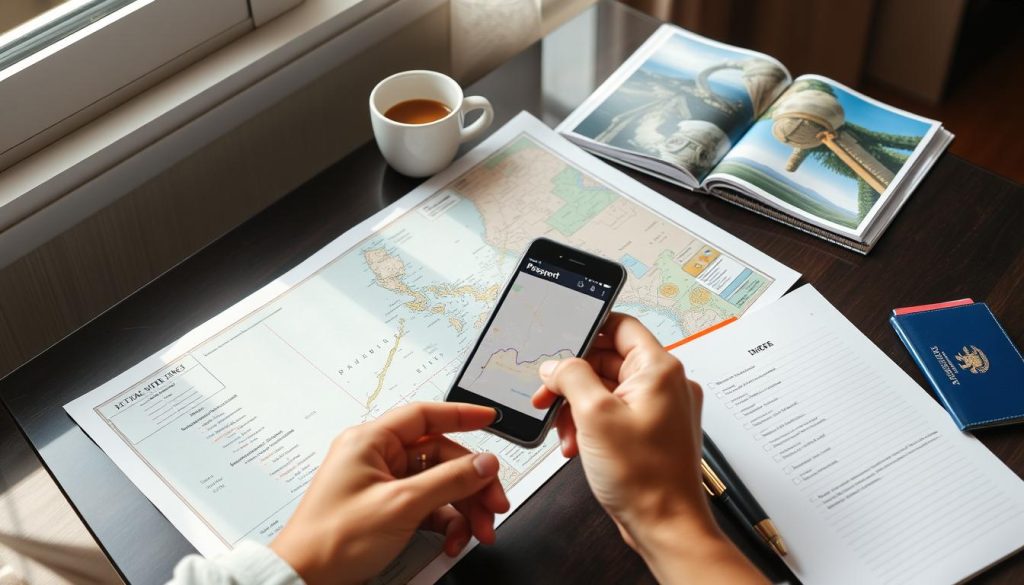
Most nationalities receive a 30-day visa-free entry to the Philippines, which can be extended in-country if needed. For 2025, the country has implemented the eTravel system, requiring all international travelers to complete an online registration before arrival. This can be done up to 72 hours before your flight.
Ensure your passport has at least six months’ validity beyond your planned departure date and that you have proof of onward travel (a flight ticket leaving the Philippines) to show upon arrival.
Hassle-Free Visa Processing
Need to extend your stay or require a special visa? Get expert assistance with your Philippines visa application for a stress-free experience.
Getting Around
Inter-island travel in the Philippines typically involves a combination of flights, ferries, and land transportation. Domestic airlines like Cebu Pacific, Philippine Airlines, and AirAsia connect major destinations, while smaller airlines serve remote islands.
For 2025, new flight routes have been added between popular tourist destinations, reducing the need for connections through Manila or Cebu. Book domestic flights well in advance, as prices increase significantly closer to departure dates.
Ferries range from large, comfortable vessels between major islands to smaller pump boats for short island-hopping trips. Always check weather conditions before ferry travel, as services may be canceled during rough seas.
On the islands, transportation options include jeepneys (colorful converted jeeps), tricycles (motorcycles with sidecars), and taxis in larger cities. Ride-hailing apps like Grab operate in major urban areas. For flexibility, consider renting a scooter on smaller islands, but always wear a helmet and check your travel insurance coverage for motorcycle use.
Budgeting for the Philippines
| Budget Level | Accommodation | Food | Activities | Daily Total (USD) |
| Backpacker | $10-20 (hostels, guesthouses) | $10-15 (street food, carinderias) | $10-20 (group tours, public transport) | $30-55 |
| Mid-range | $40-80 (3-star hotels, Airbnb) | $20-30 (mix of local and western restaurants) | $30-50 (private tours, entrance fees) | $90-160 |
| Luxury | $150+ (4-5 star resorts) | $50+ (upscale dining) | $100+ (private boat tours, diving) | $300+ |
ATMs are widely available in cities and tourist areas, but may be limited on smaller islands. Bring sufficient cash when visiting remote destinations. Credit cards are accepted at higher-end establishments, but many small businesses and local vendors only accept cash.
Internet and Connectivity
Mobile data coverage has improved significantly across the Philippines in 2025, with 5G available in major cities and 4G in most tourist destinations. Local SIM cards from providers like Globe and Smart are inexpensive and provide good value for data. Purchase these at the airport upon arrival for the best rates and convenience.
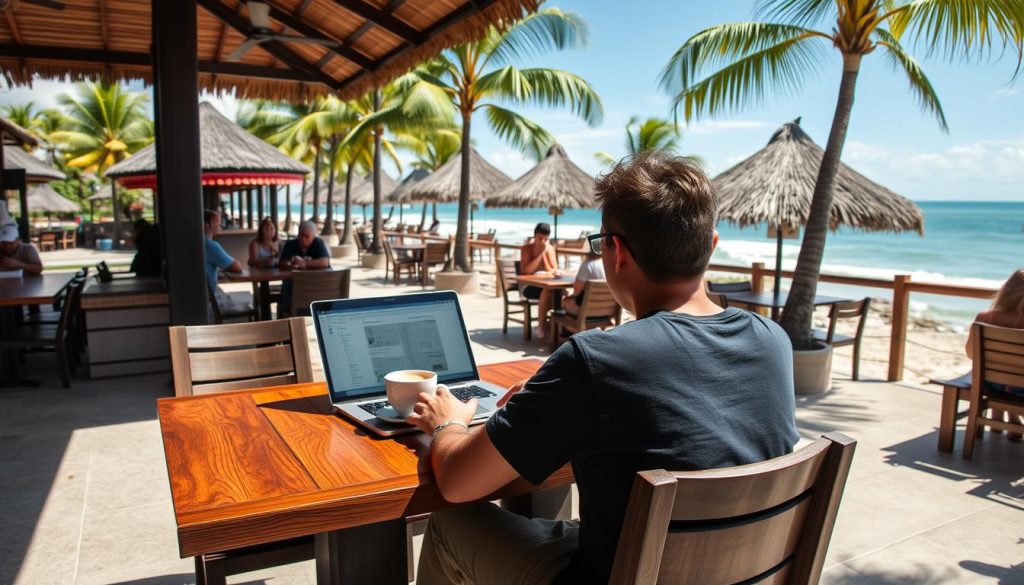
Most accommodations, restaurants, and cafes offer free Wi-Fi, though connection speeds can vary, particularly on remote islands. For digital nomads, dedicated coworking spaces have emerged in Siargao, El Nido, and other popular destinations.
Expat Life in the Philippines in 2025
The Philippines has long been a popular destination for expats seeking tropical living at affordable prices. In 2025, improved infrastructure, internet connectivity, and a welcoming government stance toward foreign residents have made the country even more attractive for long-term stays.
Cost of Living
One of the biggest draws for expats is the affordable cost of living compared to Western countries. In 2025, a comfortable lifestyle can be maintained for $1,000-1,500 per month in provincial areas, while Manila and other major cities require $1,500-2,500 monthly for similar comfort levels.
Housing costs vary significantly by location. In Manila’s upscale neighborhoods like Makati or BGC, a modern one-bedroom apartment starts around $500-700 monthly, while similar accommodations in Cebu City might cost $300-500. In smaller cities like Dumaguete or beach towns like Moalboal, long-term rentals can be found for $200-400 monthly.
Popular Expat Destinations
Manila – The capital offers the most urban lifestyle with international amenities, shopping, dining, and healthcare. Makati and Bonifacio Global City (BGC) are the preferred neighborhoods for expats, offering modern condominiums, international schools, and Western conveniences.
Cebu – Offering a balance between city amenities and island living, Cebu has become a major hub for digital nomads and retirees. The city provides modern shopping malls and hospitals while being just a short drive from beaches and mountains.
Dumaguete – Known as the “City of Gentle People,” this university town on Negros Island has attracted a large community of retirees thanks to its low cost of living, relaxed pace, and excellent healthcare options.
Siargao – Once primarily a surf destination, Siargao has evolved into a digital nomad hotspot with coworking spaces, health-focused cafes, and a strong expat community. The laid-back lifestyle and natural beauty make it ideal for those who can work remotely.
Visa Options for Long-term Stays
The Special Resident Retiree’s Visa (SRRV) remains popular for those aged 50 and above, requiring a time deposit starting at $10,000 for those aged 50+ and $20,000 for those aged 35-49. This deposit can be converted to investment in property after approval.
For 2025, the Philippines has expanded its digital nomad visa program, allowing remote workers to stay for up to one year with the possibility of extension. This requires proof of employment outside the Philippines and minimum income requirements.
The traditional tourist visa can be extended up to 36 months, though this requires regular visits to immigration offices and higher fees for longer stays.
Dating and Social Life
The Philippines offers an active social scene for expats, with regular meetups, events, and a generally welcoming attitude from locals. English is widely spoken, eliminating the language barrier that exists in many other Asian countries.
Dating culture in the Philippines tends to be more traditional than in Western countries, with family approval still important in relationships. Dating apps are popular in urban areas, while smaller communities rely more on social introductions.
For families, international schools are available in major cities, though costs can be high. Many expat families choose local private schools, which offer quality education at more reasonable rates.
Safety & Scams to Avoid in the Philippines
While the Philippines is generally a safe destination for travelers, being informed about potential risks and common scams will help ensure a trouble-free experience in 2025.
General Safety
The tourist areas of the Philippines have seen significant security improvements in recent years. Popular destinations like Palawan, Cebu, Bohol, and Siargao are generally safe for travelers who exercise normal precautions.
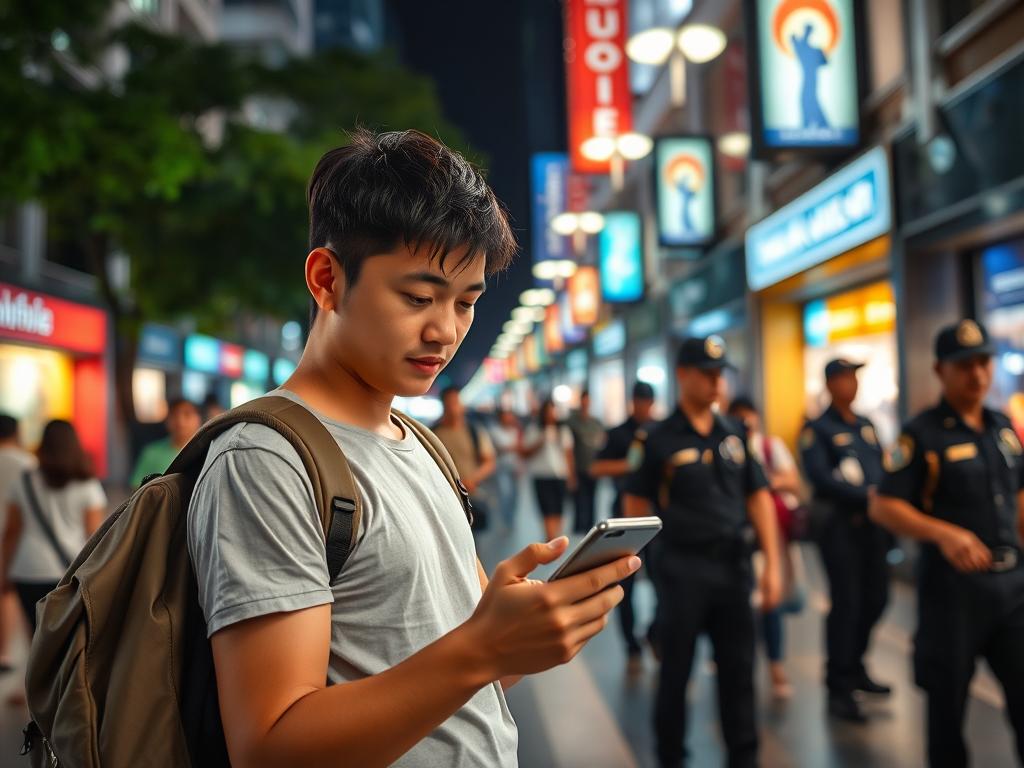
Urban areas require more vigilance than rural destinations. In Manila and other cities, avoid displaying valuable items, use registered taxis or ride-hailing apps rather than hailing cabs on the street, and be cautious in crowded areas where pickpocketing can occur.
Most of Mindanao (except Siargao and limited parts of northern Mindanao) continues to have travel advisories from many countries due to terrorism concerns. Check your government’s latest travel advice before planning trips to these regions.
Common Scams
Transportation Overcharging – Always agree on prices before getting into tricycles or taxis without meters. In tourist areas, prices may be inflated, so knowing the approximate correct fare helps in negotiations.
Unofficial Tour Guides – Be wary of friendly locals who offer to show you around for free, as this often ends with pressure to visit specific shops or pay unexpected fees. Book tours through reputable agencies or your accommodation.
ATM Skimming – Use ATMs located inside banks when possible, and always check for any unusual devices attached to the card slot. Cover the keypad when entering your PIN.
Nightlife Safety
The Philippines offers vibrant nightlife in many tourist destinations, but some precautions are advisable. Drink spiking can occur, so always watch your drinks being prepared and never leave them unattended.
When enjoying beach parties or bar-hopping, travel with companions rather than alone, particularly late at night. Use registered transportation for returning to your accommodation rather than accepting rides from strangers.
Travel with Peace of Mind
Protect your Philippines adventure with comprehensive travel insurance covering medical emergencies, trip cancellations, and adventure activities like diving and surfing.
Natural Hazards
The Philippines is prone to typhoons (particularly from July to October), earthquakes, and occasional volcanic activity. Stay informed about weather forecasts during your visit, especially during the wet season, and follow any evacuation orders from local authorities.
When engaging in water activities, be aware of currents and always respect warning flags on beaches. Some popular swimming and diving spots can have strong and unpredictable currents that may not be immediately apparent.
Essential Services for Your Philippines Trip
Make your Philippines adventure in 2025 smoother and more enjoyable with these recommended services and accommodations. Each has been selected for reliability, value, and positive traveler experiences.
Where to Stay
El Nido Resorts Miniloc Island
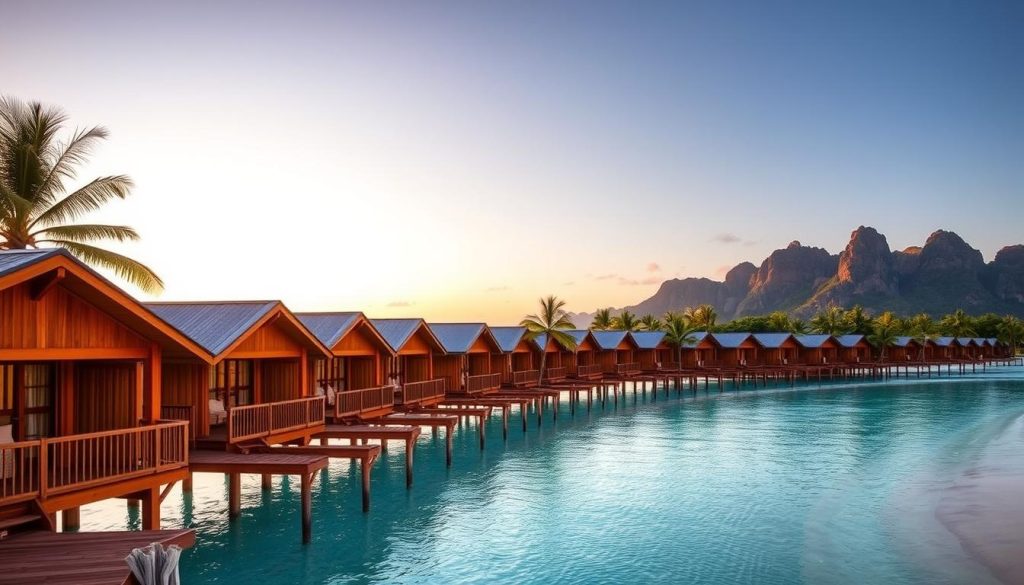
Experience the magic of Palawan with overwater bungalows set against limestone cliffs. This eco-friendly resort offers direct access to the Big and Small Lagoons with exceptional service and sustainability practices.
Shangri-La Boracay
Set on a hillside overlooking a private beach, this luxury resort offers spacious rooms, multiple restaurants, and one of the best spas in the Philippines, perfect for travelers seeking premium experiences.
Siargao Bleu Resort
Located near Cloud 9 surf break, this mid-range resort offers comfortable rooms, a large pool, and easy access to Siargao’s best attractions, ideal for surfers and digital nomads alike.
Island Hopping Tours
El Nido Island Hopping
The classic El Nido experience includes four standard tour routes (A, B, C, and D), each visiting different islands and lagoons. For the best experience, book a private tour that can adjust the itinerary to avoid crowds at popular spots like the Big Lagoon and Secret Beach.
Coron Ultimate Tour
Explore Coron’s stunning landscapes with a comprehensive tour including Kayangan Lake (often called the cleanest lake in Asia), Twin Lagoon, and snorkeling at the Japanese shipwrecks. The limestone formations and crystal-clear waters make for unforgettable photography opportunities.
Transportation Services
For hassle-free travel between islands, 12Go Asia offers a convenient platform to book flights, ferries, and bus transfers throughout the Philippines. Their service allows you to compare options and secure tickets in advance, particularly important during peak season when popular routes sell out.
Seamless Island Connections
Book all your transportation in the Philippines in one place – flights, ferries, buses, and transfers with confirmed schedules and secure online payment.
Ready for Your Philippines Adventure in 2025?
The Philippines in 2025 offers an irresistible combination of natural beauty, cultural richness, and adventure that few destinations can match. With over 7,000 islands to explore, each with its own character and attractions, this archipelago rewards travelers with experiences that range from world-class diving and pristine beaches to vibrant festivals and mouthwatering cuisine.
Whether you’re seeking the perfect Instagram-worthy lagoon in El Nido, hoping to spot thresher sharks in Malapascua, looking to ride the perfect wave in Siargao, or simply wanting to experience the legendary Filipino hospitality, the Philippines delivers unforgettable moments at a fraction of the cost of many other tropical destinations.
The improvements in infrastructure, commitment to sustainable tourism, and expanded flight connections make 2025 the perfect time to discover or rediscover this pearl of the Pacific. From budget backpackers to luxury travelers, solo adventurers to family groups, the Philippines welcomes all with open arms and the warm greeting of “Mabuhay!”
Start Planning Your Dream Philippines Trip
Ready to experience the magic of the Philippines? Book your flights, secure accommodations, and start counting down to your tropical adventure!


