
Southeast Asia stands as the world’s most captivating travel region in 2025, offering an irresistible blend of affordability and exotic experiences that few destinations can match. From Thailand’s pristine beaches to Vietnam’s rich cultural tapestry, this diverse region continues to enchant travelers with its unique combination of ancient traditions and modern conveniences. Whether you’re drawn to the spiritual tranquility of Luang Prabang’s temples, the bustling energy of Bangkok’s street markets, or the digital nomad havens of Bali, Southeast Asia delivers experiences that transform ordinary vacations into extraordinary journeys.
This comprehensive guide will equip you with everything you need to know for your Southeast Asia adventure in 2025 – from country-by-country highlights and practical transportation tips to visa requirements and safety considerations. We’ll help you navigate this fascinating region with confidence, whether you’re planning a two-week escape or considering joining the growing community of Western expats embracing the region’s affordable, vibrant lifestyle.
The iconic limestone karsts of Ha Long Bay, Vietnam – one of Southeast Asia’s most breathtaking UNESCO World Heritage sites
Why Visit Southeast Asia in 2025
Southeast Asia has emerged stronger than ever following the global travel disruptions of recent years. The region has adapted with improved infrastructure, enhanced digital connectivity, and a renewed focus on sustainable tourism practices that make 2025 an ideal time to visit.

The digital nomad lifestyle continues to flourish across Southeast Asia in 2025
Post-Pandemic Tourism Renaissance
The tourism industry across Southeast Asia has undergone a remarkable transformation. Countries have invested heavily in upgrading facilities, improving sanitation standards, and implementing streamlined entry procedures. This renaissance has created a more comfortable and accessible travel experience while maintaining the authentic charm that makes the region special.
Digital Nomad Revolution
Southeast Asia has firmly established itself as the global epicenter for digital nomads. Countries like Thailand, Indonesia, and Malaysia have introduced specialized visa programs catering to remote workers, while co-working spaces have proliferated across major cities and beach towns alike. With exceptional internet infrastructure and unbeatable cost-of-living advantages, the region offers the perfect balance of productivity and paradise.
Emerging Destinations
While established favorites like Bangkok and Bali continue to evolve, 2025 has brought renewed interest in previously overlooked destinations. Places like Kampot in Cambodia, the islands of eastern Indonesia, and Vietnam’s northern highlands are gaining popularity as travelers seek more authentic experiences away from the well-trodden path.
Ready to Plan Your Southeast Asia Adventure?
Start with the right accommodations! Find the perfect place to stay with deals on hotels, hostels, and unique properties across Southeast Asia.
Countries of Southeast Asia
Southeast Asia encompasses a diverse collection of nations, each with its own distinct character, attractions, and travel considerations. Here’s what you need to know about each country in the region for your 2025 trip planning.

Map of Southeast Asia highlighting the main countries and key destinations for 2025
Thailand
The region’s tourism powerhouse continues to offer an unbeatable combination of world-class beaches, rich cultural experiences, and exceptional value. Bangkok remains Southeast Asia’s most vibrant metropolis, while northern cities like Chiang Mai balance ancient temples with digital nomad-friendly infrastructure. The southern islands continue to evolve, with places like Koh Lanta and Koh Phangan offering alternatives to more commercialized destinations.
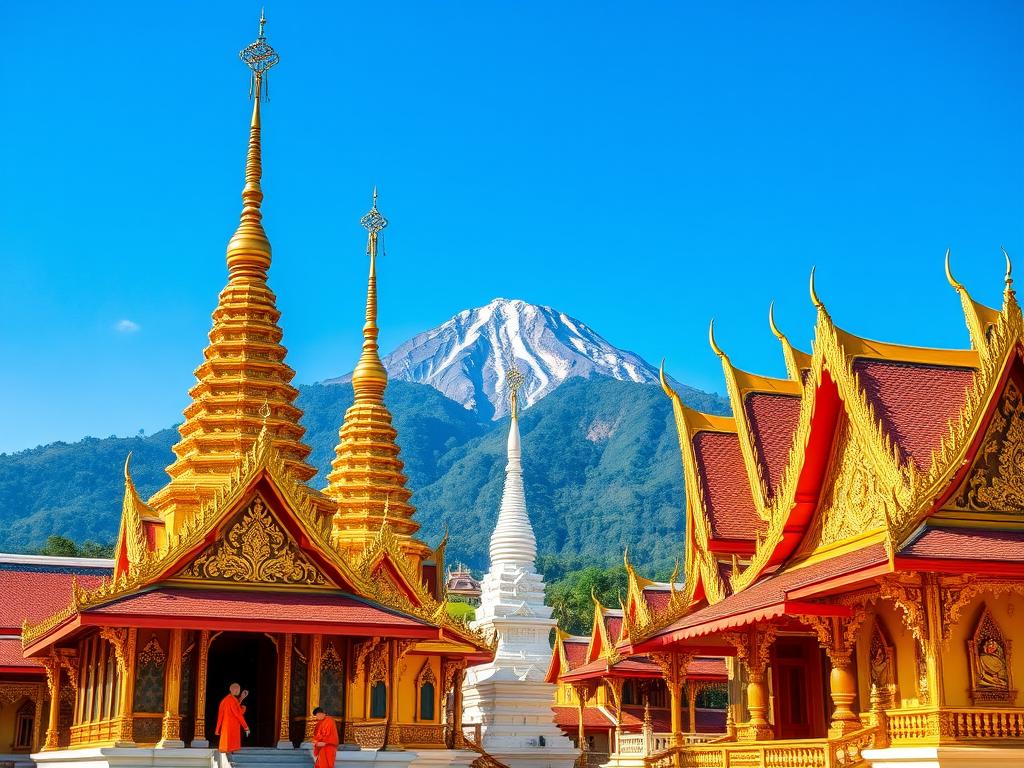
The ancient temples of Chiang Mai offer a glimpse into Thailand’s rich cultural heritage
Vietnam
Vietnam continues its rise as Southeast Asia’s fastest-growing destination. The country offers extraordinary diversity – from the terraced rice fields of Sapa in the north to the bustling energy of Ho Chi Minh City in the south. Improved transportation infrastructure has made it easier than ever to explore this fascinating country, while the cuisine remains among the region’s most celebrated.
Cambodia
While the magnificent temples of Angkor Wat remain Cambodia’s crown jewel, the country has expanded its tourism offerings significantly. Siem Reap has evolved into a sophisticated destination with excellent dining and accommodation options. Meanwhile, the southern coast and islands offer pristine beaches without the crowds found in neighboring countries.
Indonesia
Far more than just Bali, Indonesia offers the region’s greatest diversity across its thousands of islands. While Bali continues to refine its appeal with a perfect blend of spirituality, surfing, and digital nomad infrastructure, places like Lombok, Flores, and the Gili Islands provide compelling alternatives. Java’s ancient temples and vibrant cities offer cultural immersion, while Raja Ampat represents the pinnacle of diving experiences.
Malaysia
Often overlooked, Malaysia offers exceptional value and diversity. Kuala Lumpur stands as one of Asia’s most underrated capitals, with world-class food and shopping. Penang combines colonial architecture with renowned street food, while Borneo provides unparalleled wildlife experiences. The east coast islands offer some of Southeast Asia’s most pristine beaches without the crowds.
Philippines
The Philippines continues to gain recognition for having some of the world’s most spectacular beaches and diving opportunities. Palawan’s limestone formations and crystal waters remain the highlight, while Siargao has emerged as a world-class surfing destination. Improved domestic connections have made island-hopping more accessible than ever before.
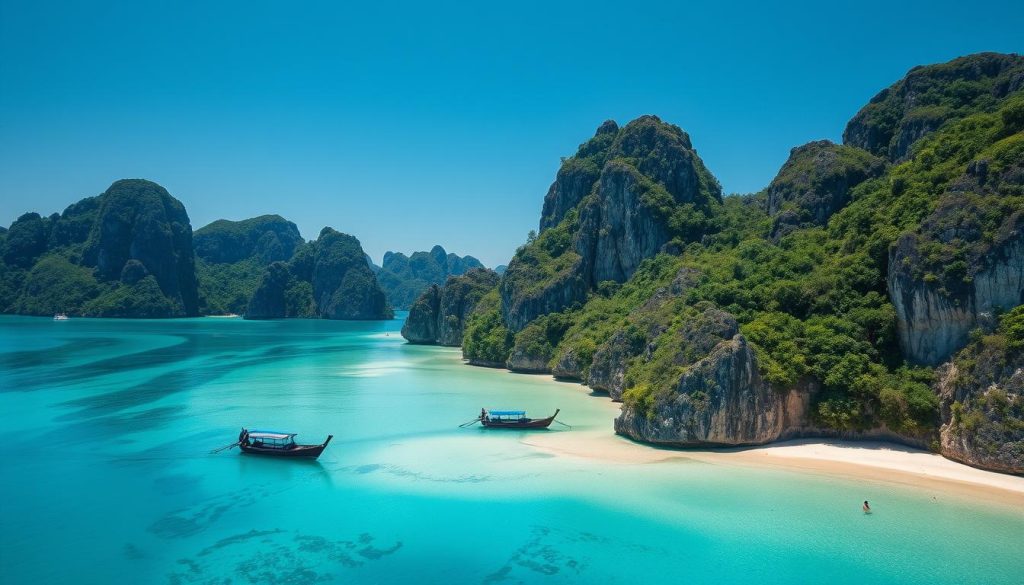
The breathtaking limestone formations and turquoise waters of El Nido, Palawan, Philippines
Singapore
This city-state continues to redefine urban innovation while maintaining its position as Southeast Asia’s most efficient travel hub. New attractions and constant reinvention keep Singapore fresh, while its world-renowned food scene spans from hawker centers to Michelin-starred establishments. Though expensive by regional standards, it offers an excellent introduction to Southeast Asia for first-time visitors.
Laos
Laos remains Southeast Asia’s most serene destination, offering a glimpse into traditional ways of life that have disappeared elsewhere. Luang Prabang’s temple-lined streets continue to enchant visitors, while improved roads have made the spectacular karst landscapes around Vang Vieng more accessible. The capital, Vientiane, maintains its languid charm along the Mekong River.
Myanmar
Political challenges have complicated travel to Myanmar in recent years. While the country possesses extraordinary cultural and natural attractions – from the temples of Bagan to the traditional fishing communities of Inle Lake – travelers should carefully research current conditions and ethical considerations before planning a visit in 2025.
Explore Southeast Asia with Expert Guides
Enhance your journey with knowledgeable local guides and unique experiences across the region.
Top Regional Highlights
Southeast Asia offers an extraordinary diversity of experiences, from pristine beaches and ancient temples to culinary adventures and adrenaline-pumping activities. Here are the standout highlights across the region for 2025.
Beaches and Islands
Southeast Asia’s coastlines and islands represent some of the world’s most spectacular beach destinations, offering everything from developed resorts to pristine, untouched paradises.
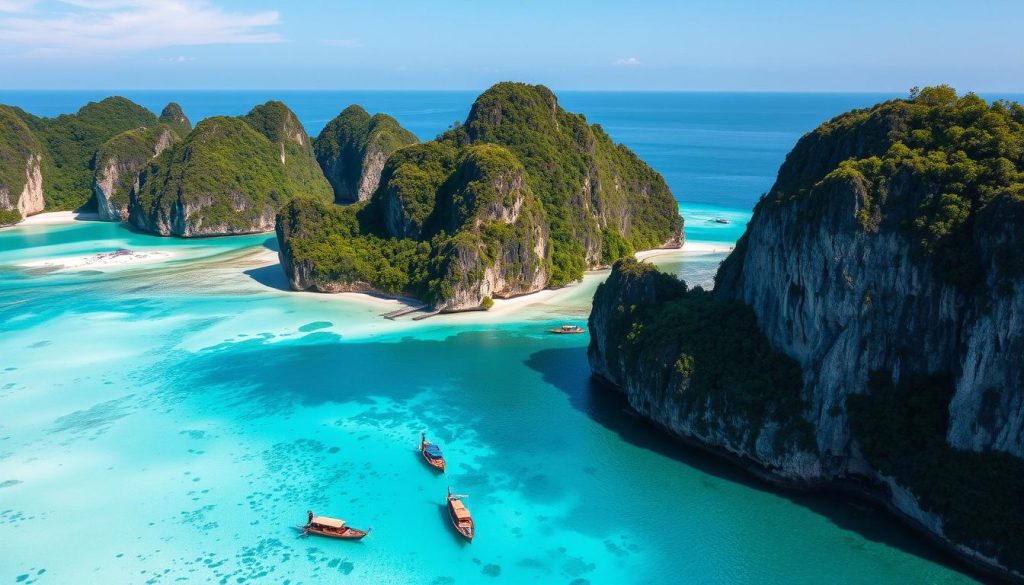
The stunning Phi Phi Islands continue to captivate visitors with their dramatic limestone formations and crystal-clear waters
Phuket, Thailand
Thailand’s largest island offers something for everyone – from the nightlife of Patong to the luxurious seclusion of Cape Yamu. Recent infrastructure improvements and a renewed focus on quality have elevated the experience, while nearby islands provide easy day-trip options.
Boracay, Philippines
Following its environmental rehabilitation, Boracay has reclaimed its position as one of Asia’s premier beach destinations. The famous White Beach offers powdery sand and spectacular sunsets, while new regulations ensure the island maintains its natural beauty.
Bali, Indonesia
Far more than just beaches, Bali’s coastal areas range from the surfing paradise of Uluwatu to the refined luxury of Seminyak. The eastern beaches near Amed offer spectacular snorkeling, while the Bukit Peninsula provides dramatic cliff views and world-class resorts.
Langkawi, Malaysia
This archipelago of 99 islands offers duty-free shopping, lush rainforests, and beautiful beaches. The Langkawi Sky Bridge provides spectacular views, while the mangrove tours showcase the island’s rich biodiversity.
Phu Quoc, Vietnam
Vietnam’s largest island has developed rapidly while maintaining areas of pristine beauty. The northern beaches remain relatively untouched, while the southern resort area offers luxury accommodations at prices well below similar destinations in Thailand.
Koh Rong, Cambodia
Cambodia’s island scene offers the laid-back vibe that Thailand’s islands had decades ago. Koh Rong and neighboring Koh Rong Samloem provide powdery white beaches, bioluminescent plankton, and a refreshing absence of major development.
Temples and Culture
The cultural wealth of Southeast Asia is displayed in its magnificent temples, historic cities, and living traditions that have endured for centuries.
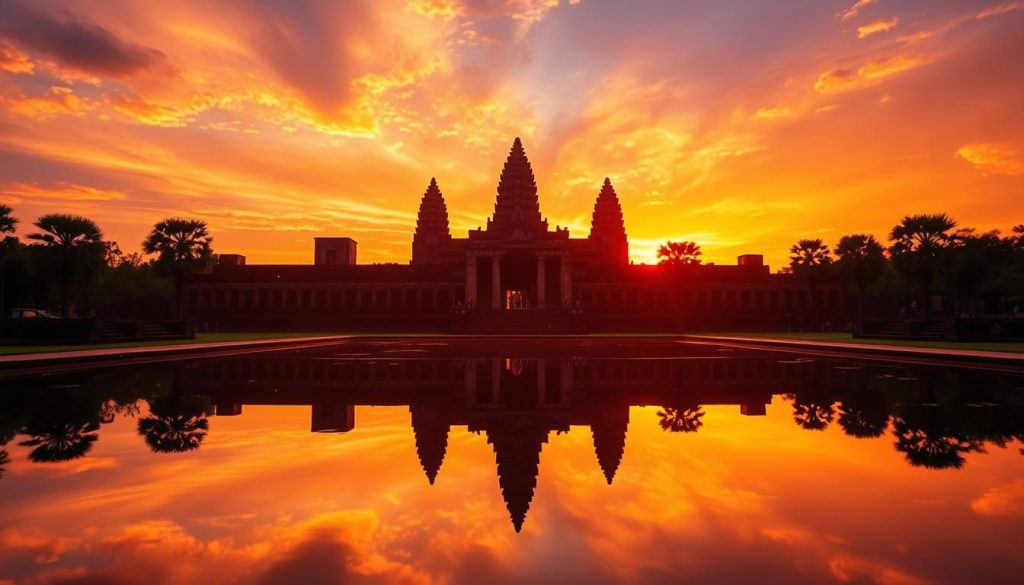
The magnificent temples of Angkor Wat remain Southeast Asia’s most awe-inspiring archaeological treasure
Angkor Wat, Cambodia
This vast temple complex remains Southeast Asia’s most spectacular archaeological site. New visitor management systems have improved the experience by reducing overcrowding at key temples. For the best experience, venture beyond the main circuit to discover quieter temples like Banteay Srei and Koh Ker.
Bagan, Myanmar
The ancient city of Bagan with its thousands of temples and stupas offers an otherworldly landscape. While hot air balloon rides provide the classic view, exploring by e-bike allows for more intimate discoveries of lesser-known temples away from the crowds.
Chiang Mai Temples, Thailand
Northern Thailand’s cultural capital houses over 300 temples, with Doi Suthep perched dramatically on the mountain overlooking the city. The annual Yi Peng lantern festival transforms the city into a magical landscape of floating lights.
Luang Prabang, Laos
This UNESCO World Heritage town offers the region’s most enchanting blend of traditional Lao architecture and French colonial influences. The daily alms-giving ceremony provides a glimpse into living Buddhist traditions, while the surrounding waterfalls offer natural beauty.
Borobudur, Indonesia
Java’s colossal Buddhist monument dates back to the 9th century and features over 500 Buddha statues. Visiting at sunrise offers both spectacular lighting and fewer crowds than later in the day.
Hue, Vietnam
Vietnam’s former imperial capital houses the impressive Citadel and numerous royal tombs along the Perfume River. The city’s distinctive cuisine adds a culinary dimension to the cultural experience.
Food and Nightlife
Southeast Asian cuisine ranks among the world’s most celebrated, while the region’s diverse nightlife scenes cater to every preference from tranquil beachside lounges to pulsating urban clubs.
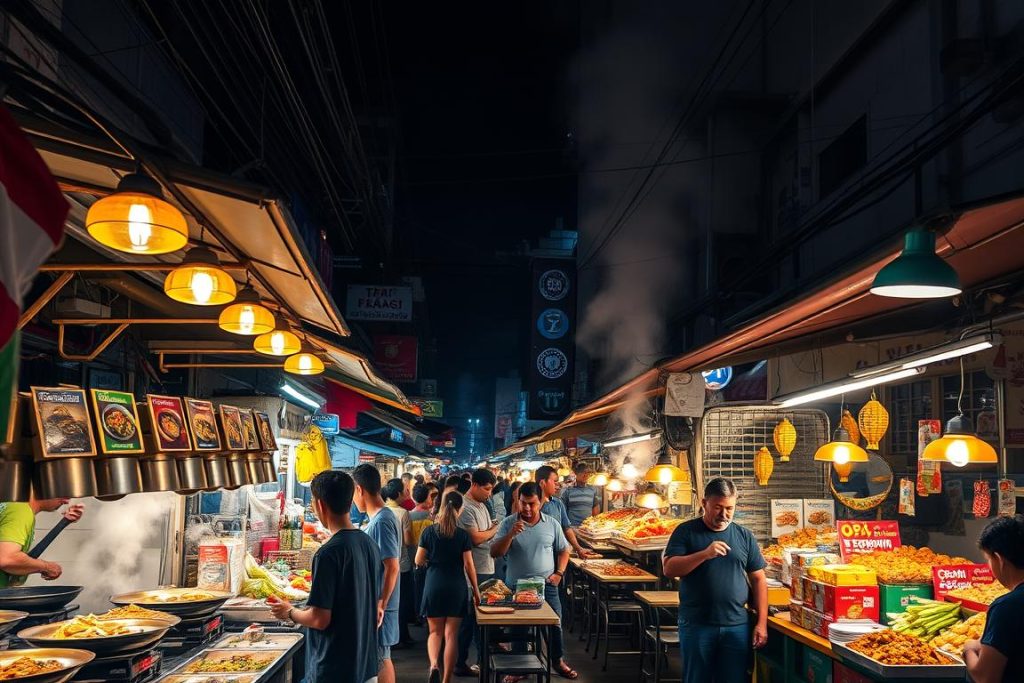
Bangkok’s vibrant street food scene offers an incredible variety of flavors and culinary experiences
Bangkok, Thailand
Thailand’s capital remains the region’s ultimate food destination, from Michelin-starred restaurants to incomparable street food. The nightlife ranges from sophisticated rooftop bars to the infamous energy of Khao San Road and the clubbing districts of Sukhumvit and RCA.
Penang, Malaysia
This island represents Malaysia’s culinary capital, with its unique blend of Malay, Chinese, and Indian influences. The street food around George Town is legendary, particularly along Gurney Drive and in the hawker centers throughout the city.
Ho Chi Minh City, Vietnam
Vietnam’s southern metropolis offers the country’s most dynamic food and nightlife scene. The street food culture is vibrant, particularly in District 1 and around Ben Thanh Market, while the rooftop bar scene has exploded in recent years.
Singapore
Singapore’s hawker centers offer some of the world’s best street food in clean, organized environments. The city-state’s cocktail scene has gained global recognition, with numerous entries on the World’s 50 Best Bars list.
Kuta and Seminyak, Bali
Bali’s main tourist areas offer Indonesia’s most developed nightlife scene, from beachfront clubs to sophisticated cocktail bars. The island’s restaurant scene has evolved dramatically, with world-class dining options spanning all cuisines and price points.
Pub Street, Siem Reap
After days exploring Angkor’s temples, Siem Reap’s concentrated nightlife district offers everything from budget-friendly beer gardens to sophisticated cocktail lounges, all within easy walking distance.
Adventure Travel
For thrill-seekers, Southeast Asia offers an incredible range of adventures, from world-class diving sites to epic motorcycle journeys through stunning landscapes.
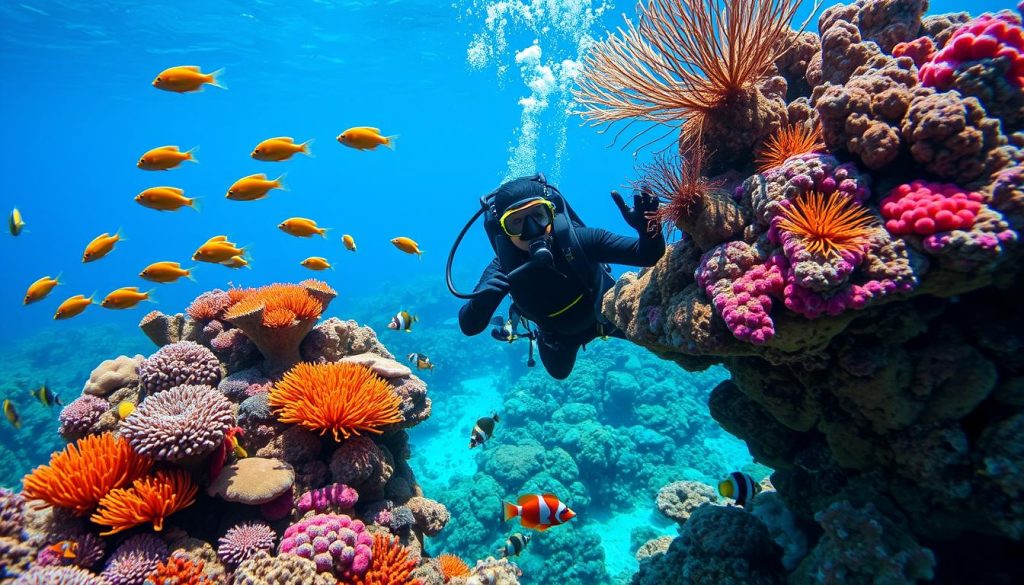
The underwater world of Komodo National Park offers some of Southeast Asia’s most spectacular diving experiences
Scuba Diving
The region offers world-class diving destinations including Thailand’s Similan Islands, Malaysia’s Sipadan, Indonesia’s Komodo and Raja Ampat, and the Philippines’ Tubbataha Reef. For beginners, Koh Tao in Thailand remains the world’s most popular place to get certified, with competitive prices and excellent conditions.
Trekking
Northern Vietnam’s Sapa region offers spectacular rice terrace hikes and cultural encounters with hill tribes. Thailand’s northern mountains around Chiang Rai provide accessible trekking, while more adventurous options exist in Laos’ Nam Ha National Park and the Cardamom Mountains of Cambodia.
Island Hopping
The Philippines’ Palawan province offers the ultimate island-hopping adventure, with the El Nido and Coron areas featuring dramatic limestone formations and hidden lagoons. Thailand’s Andaman coast provides more accessible island-hopping opportunities from bases like Krabi and Phuket.
Motorbike Journeys
Vietnam’s Ha Giang Loop has emerged as Southeast Asia’s most spectacular motorcycle route, offering breathtaking mountain scenery and encounters with diverse ethnic minorities. The Mae Hong Son Loop in northern Thailand provides a more accessible alternative with excellent infrastructure.
Rock Climbing
Railay Beach in Thailand remains the region’s premier climbing destination, with hundreds of routes on spectacular limestone karsts rising directly from the Andaman Sea. Thakhek in Laos offers a less crowded alternative with an emerging climbing scene.
Surfing
Bali continues to dominate the region’s surf scene, with breaks suitable for all levels from beginners at Kuta to world-class waves at Uluwatu. The Philippines’ Siargao Island has gained international recognition for Cloud 9 and other quality breaks, while still maintaining a laid-back atmosphere.
Ready for Adventure?
Book unforgettable experiences across Southeast Asia – from cooking classes and temple tours to diving excursions and trekking adventures.
Cost of Travel in Southeast Asia
One of Southeast Asia’s greatest appeals remains its exceptional value for money across all budget levels. While prices have increased in recent years, the region still offers remarkable experiences at a fraction of the cost found in Europe, North America, or Australia.

Budget accommodations in Southeast Asia often offer stunning beachfront locations at remarkably affordable prices
Daily Budgets
| Budget Level | Daily Cost (USD) | Accommodation | Food | Transportation | Activities |
| Backpacker | $25-40 | Hostel dorms ($5-15) | Street food, local restaurants ($5-10) | Public buses, shared vans ($3-8) | Free temples, beaches, occasional paid activity ($0-15) |
| Mid-range | $50-100 | Budget hotels, nice guesthouses ($20-50) | Mix of local and Western restaurants ($15-30) | Taxis, domestic flights ($10-30) | Regular tours, attractions ($15-40) |
| Luxury | $150-500+ | 4-5 star hotels, resorts ($100-300+) | Fine dining, resort restaurants ($30-100) | Private drivers, premium flights ($30-100) | Private tours, premium experiences ($50-200) |
Country Cost Comparison
Costs vary significantly across the region, with Singapore and parts of Thailand being the most expensive, while destinations like Laos, Cambodia, and parts of Vietnam and Indonesia offering exceptional value.
Budget-Friendly Countries
- Laos: Excellent value with basic guesthouses from $5-10 and meals from $2-5
- Cambodia: Affordable accommodation and $1-2 local meals outside major tourist areas
- Northern Vietnam: Low costs in rural areas with homestays from $10 including meals
- Central Indonesia (beyond Bali): Significantly lower prices on islands like Flores and Sulawesi
Mid-Range Cost Countries
- Thailand (outside major tourist zones): Good value with excellent infrastructure
- Vietnam (major cities): Higher costs in Hanoi and Ho Chi Minh City but still reasonable
- Philippines: Varied costs with budget options on many islands
- Malaysia: Excellent value for quality, particularly for food and transportation
Higher Cost Areas
- Singapore: Comparable to Western prices, especially for accommodation and alcohol
- Bali (prime areas): Seminyak, Canggu and other popular zones have seen significant price increases
- Thai Islands: Popular destinations like Koh Samui and Phuket command premium prices
- Luxury resorts: High-end properties throughout the region often match global luxury pricing
Money-Saving Tips
- Eat street food and at local restaurants where possible – often the most delicious and authentic options
- Travel during shoulder seasons (May-June, September-October) for significant discounts
- Book accommodation directly after checking prices on comparison sites
- Use ride-hailing apps like Grab instead of tourist taxis in major cities
- Negotiate respectfully for souvenirs, transportation, and unmetered taxis
- Consider overnight buses and trains for longer journeys to save on accommodation
- Book domestic flights well in advance, especially with budget carriers
- Limit alcohol consumption, which can quickly inflate budgets
- Get a local SIM card instead of using international roaming
- Join free walking tours available in many major cities
Transportation in Southeast Asia
Getting around Southeast Asia has become increasingly convenient, with expanded flight networks, improved road infrastructure, and user-friendly booking platforms making travel planning simpler than ever before.
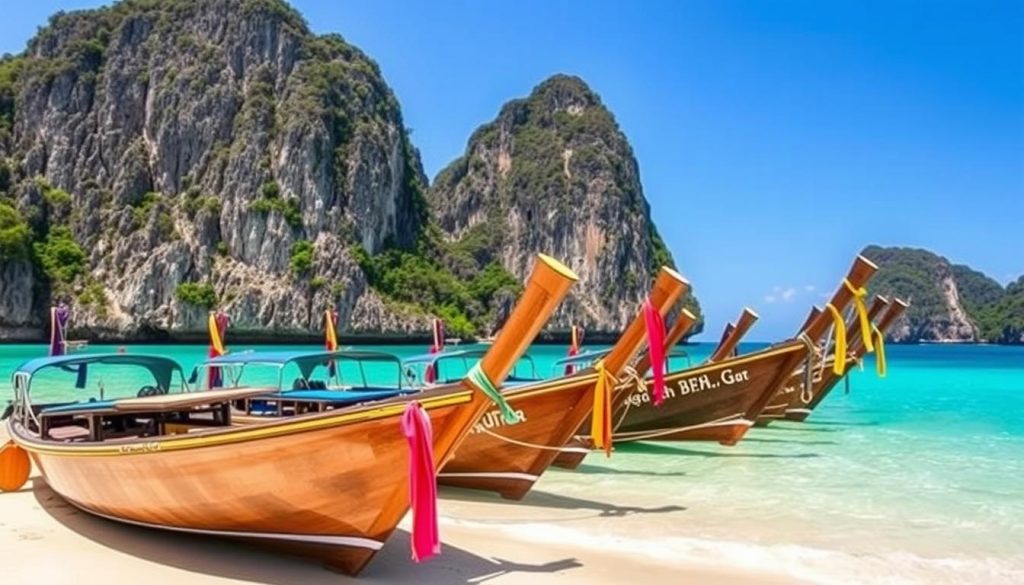
Traditional long-tail boats remain an iconic and practical transportation option along Thailand’s Andaman coast
Budget Airlines
Low-cost carriers have revolutionized travel in Southeast Asia, making it possible to hop between countries quickly and affordably. Key players include AirAsia, Lion Air, VietJet, Cebu Pacific, and Scoot, offering extensive networks throughout the region.
Pro Tip: Book budget airline flights directly through the airline’s website rather than third-party platforms for better customer service if issues arise. Be aware that checked baggage, seat selection, and meals typically incur additional fees.
Trains
Rail networks vary dramatically across the region. Thailand offers the most extensive system, with comfortable overnight trains connecting Bangkok to Chiang Mai and the Malaysian border. Vietnam’s reunification line runs the length of the country from Hanoi to Ho Chi Minh City, offering a scenic if slow journey. Malaysia has good connections between major cities, while other countries have limited or non-existent passenger rail service.
Buses and Minivans
Buses remain the backbone of transportation across Southeast Asia, ranging from basic local services to luxury options with reclining seats and onboard amenities. In Thailand and Vietnam, VIP buses offer a comfortable alternative to flying, while Cambodia and Laos typically have more basic options. Minivans often serve shorter routes and can be faster but more cramped than full-sized buses.

Modern VIP buses in Vietnam and Thailand offer surprisingly comfortable overnight travel options
Ferries and Boats
Island nations like Indonesia and the Philippines rely heavily on ferry networks of varying quality and safety standards. Thailand’s tourist islands are well-connected by frequent speedboat and ferry services. In Vietnam, boat trips through the Mekong Delta and Ha Long Bay are both practical transportation and memorable experiences.
Local Transportation
Each country offers unique local transport options that often become part of the travel experience:
Tuk-tuks and Songthaews
These iconic three-wheeled vehicles (tuk-tuks) and converted pickup trucks (songthaews) are ubiquitous in Thailand and Laos. Always negotiate the fare before departing, as they rarely use meters.
Grab and Ride-Hailing
Grab has become the dominant ride-hailing platform across much of Southeast Asia, offering more transparent pricing than traditional taxis. The service is widely available in Thailand, Vietnam, Malaysia, Singapore, Philippines, and Indonesia.
Motorbike Taxis and Rentals
In congested cities like Bangkok and Ho Chi Minh City, motorbike taxis offer the fastest way to navigate traffic. For independent exploration, motorbike rentals are widely available and affordable, though insurance coverage is often limited.
Safety Note: Always wear a helmet when riding motorbikes, check your travel insurance coverage for motorbike accidents, and be aware that international driving permits are technically required in most countries (though enforcement varies).
Find the Best Flight Deals to Southeast Asia
Start your journey with affordable flights to Bangkok, Singapore, Kuala Lumpur, and other major Southeast Asian hubs.
Visas and Entry Requirements
Visa policies across Southeast Asia have generally become more traveler-friendly in recent years, with many countries extending visa-free periods or introducing e-visa systems to simplify the process. Additionally, new visa categories for digital nomads and long-term visitors have emerged in several countries.
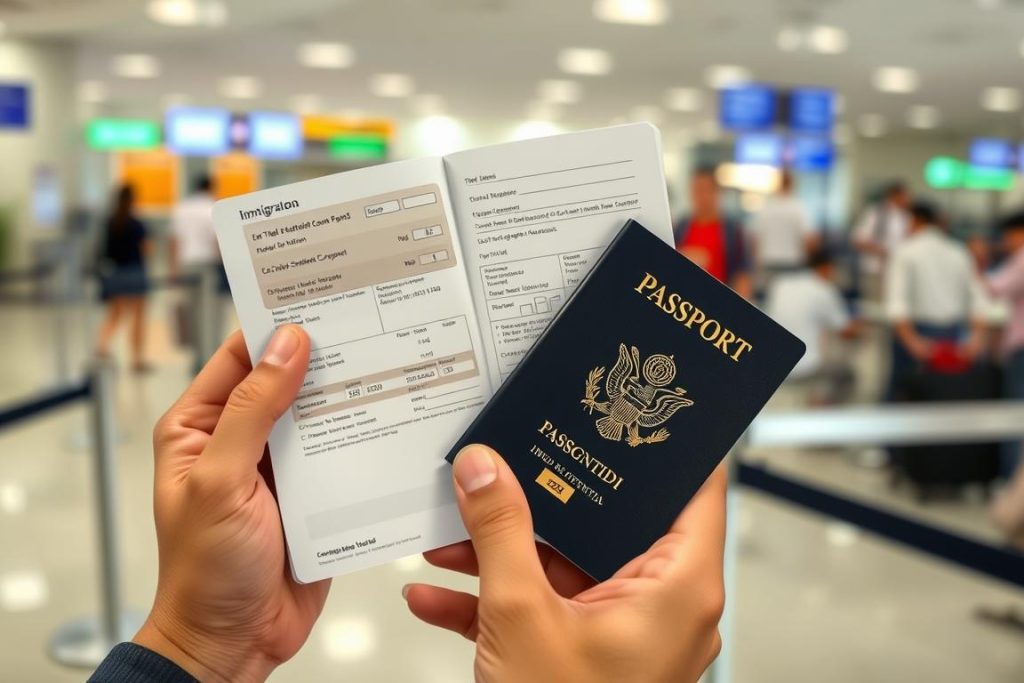
Understanding visa requirements is essential for smooth entry into Southeast Asian countries
Tourist Visas
| Country | Visa-Free Period | Visa on Arrival | E-Visa Available | Notes |
| Thailand | 30-45 days (varies by nationality) | Yes (15 days for some nationalities) | No | Extensions available for 30 days at immigration offices |
| Vietnam | 15-30 days for select countries | Yes (with pre-approval letter) | Yes (30 days) | E-visa is the recommended option for most travelers |
| Cambodia | Limited (ASEAN countries) | Yes (30 days) | Yes (30 days) | E-visa not accepted at all border crossings |
| Indonesia | 30 days for many nationalities | Yes (30 days) | No | VOA can be extended once for 30 days |
| Malaysia | 30-90 days (varies by nationality) | Limited | Yes (for restricted nationalities) | Generally very traveler-friendly policies |
| Singapore | 30-90 days (varies by nationality) | No | Yes (for restricted nationalities) | Strict entry requirements; ensure passport validity |
| Philippines | 30 days for many nationalities | No | No | Extensions easily available |
| Laos | Limited (ASEAN countries) | Yes (30 days) | Yes | E-visa program recently introduced |
Important: Visa requirements can change frequently. Always check the latest information from official sources or reputable visa services before traveling. Most countries require at least six months of passport validity from your date of entry.
Digital Nomad Visas
As remote work continues to grow, several Southeast Asian countries have introduced specific visa programs for digital nomads and location-independent professionals:
Thailand Digital Nomad Visa
Thailand’s Long-Term Resident (LTR) visa includes a category for remote workers and digital professionals, offering a 10-year visa with multiple entries, simplified reporting requirements, and potential tax benefits. Income requirements apply.
Indonesia Second Home Visa
Indonesia offers a 5-10 year visa for remote workers and others looking to base themselves in destinations like Bali. Financial requirements include a significant bank deposit, though the visa offers great flexibility for long-term stays.
Malaysia Digital Nomad Pass
The DE Rantau program provides a specialized visa for digital professionals looking to live in Malaysia for 3-12 months, with options for renewal. The program includes access to co-working spaces and networking events.
Retirement Visas
Southeast Asia has become increasingly popular with retirees seeking a high quality of life at lower costs. Several countries offer specific retirement visa programs:
Thailand Retirement Visa
Available to those 50 and older with either a monthly income of approximately $2,000 or a Thai bank deposit of around $25,000. Requires reporting to immigration every 90 days but allows long-term stays with annual renewals.
Philippines SRRV
The Special Resident Retiree’s Visa offers permanent residency with a one-time deposit ranging from $10,000-50,000 depending on age and pension status. Includes benefits like tax exemptions on pensions and annuities.
Malaysia MM2H
The Malaysia My Second Home program provides a 5-year renewable visa with significant financial requirements that were increased in 2021. Benefits include the ability to purchase property and import a car duty-free.
Best Time to Visit Southeast Asia
Southeast Asia’s tropical climate creates distinct weather patterns that vary significantly by country and region. Understanding these seasonal variations is crucial for planning your trip, whether you’re seeking sunny beach days or cooler temperatures for temple exploration.
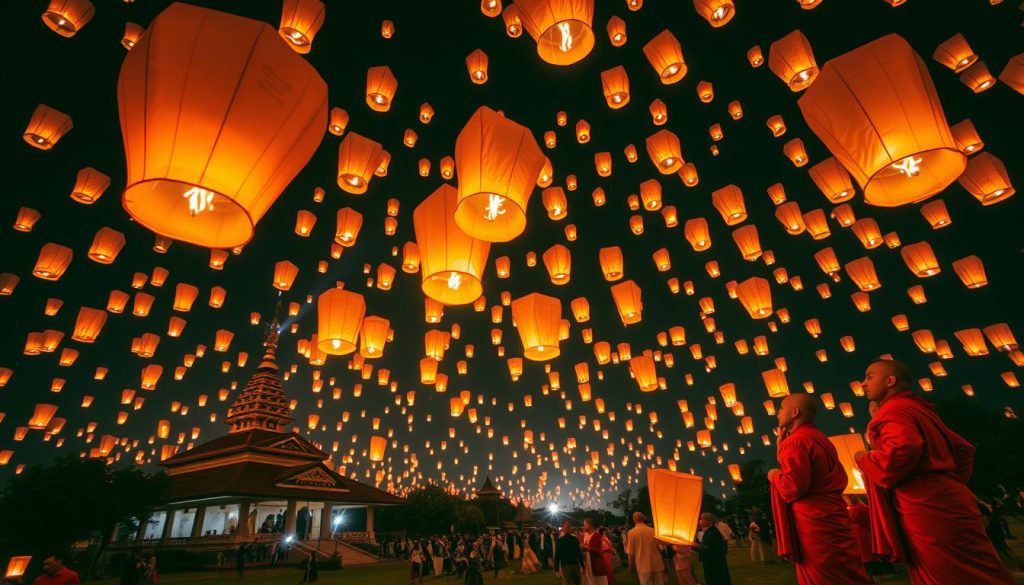
The Yi Peng lantern festival in Chiang Mai takes place during Thailand’s cool season, offering comfortable temperatures and magical experiences
Regional Weather Patterns
While specific conditions vary by country, Southeast Asia generally experiences three main seasons:
Cool/Dry Season (November-February)
Generally considered the best time to visit most of Southeast Asia, with lower humidity, minimal rainfall, and comfortable temperatures. This is peak tourist season across most of the region, with higher prices and more crowds at popular destinations.
Hot Season (March-May)
Temperatures rise significantly across the region, with April typically being the hottest month. While beach destinations remain popular, the heat can make temple exploration and city sightseeing challenging. Water festivals like Songkran in Thailand offer refreshing relief.
Rainy Season (June-October)
The southwest monsoon brings regular rainfall to most of the region, though patterns vary significantly. Rain typically comes in short, intense afternoon downpours rather than all-day drizzle, with plenty of sunshine between showers. This season offers lush landscapes, fewer tourists, and lower prices.
Country-Specific Seasonal Guide
| Country | Best Time to Visit | Peak Season | Shoulder Season | Low Season |
| Thailand | November-February (cool, dry) | December-January, July-August | November, March | May-October (except islands in the Gulf) |
| Vietnam | Varies by region (see notes) | December-January | February-April, August-September | May-July (except central coast) |
| Cambodia | November-February (cool, dry) | December-January | November, March | April-October |
| Indonesia | May-September (dry season) | July-August, December-January | April-June, September | November-March (except Bali) |
| Malaysia | March-October (west coast) December-April (east coast) | December-January | February-March, August-September | April-May, October-November |
| Philippines | December-April (dry season) | December-January, Holy Week | February-April, November | June-September (typhoon season) |
| Singapore | February-April (less rainfall) | December-January, June-July | February-March, August-September | November (wettest month) |
| Laos | November-February (cool, dry) | December-January | November, March | May-September (rainy) |
Vietnam Weather Note: Vietnam’s elongated geography creates three distinct climate zones. The north (Hanoi, Sapa) experiences a cool winter from December-February. Central Vietnam (Hoi An, Hue) is best from February-August, with a rainy season from September-January. Southern Vietnam (Ho Chi Minh City, Mekong Delta) has consistent warm temperatures year-round with a rainy season from May-November.
Special Events and Festivals
Consider planning your trip around these significant cultural events:
Songkran (Thai New Year)
Mid-April in Thailand brings the world’s biggest water fight, offering a refreshing way to experience Thai culture during the hottest month. Festivities are particularly vibrant in Chiang Mai and Bangkok.
Lunar New Year
January/February (varies by lunar calendar) sees celebrations across the region, especially in countries with significant Chinese populations like Singapore, Malaysia, and Vietnam (where it’s known as Tet).
Loy Krathong & Yi Peng
These overlapping festivals in November feature floating offerings on water (Loy Krathong) and thousands of sky lanterns (Yi Peng) in northern Thailand, creating magical photo opportunities.
Safety & Scams in Southeast Asia
Southeast Asia is generally a safe region for travelers, with violent crime against tourists rare. However, petty theft, scams, and transportation safety issues require awareness and common sense precautions.

Simple precautions like securing your belongings in crowded areas can help prevent opportunistic theft
Common Scams to Avoid
Transportation Scams
- Rigged taxi meters that run too fast (use ride-hailing apps where available)
- Tuk-tuk drivers offering “special tours” that end at commission-paying shops
- Motorbike rental damage claims for pre-existing scratches (document condition before renting)
- “Closed” or “fully booked” attractions that require a special guide or transportation
Shopping and Services
- Gem and jewelry scams, particularly in Bangkok
- “Free” bracelet/friendship band scams that demand payment after tying
- Counterfeit products sold as authentic brands
- Dramatically inflated prices for tourists (always research typical costs)
- Rigged games at tourist-oriented carnival setups
Other Common Scams
- Money exchange short-changing or using sleight of hand
- Fake police officers demanding to see passports or fines for made-up offenses
- Pickpocketing in crowded areas, particularly during festivals
- Drink spiking in party areas (never leave drinks unattended)
- Accommodation bait-and-switch (arriving to find your booking “lost”)
Regional Safety Considerations
Transportation Safety
Road safety varies dramatically across the region, with Thailand having particularly high accident rates. Consider these precautions:
- Research bus and boat companies before booking overnight journeys
- Always wear helmets when riding motorbikes or scooters
- Be cautious about overnight buses on mountainous routes
- Check weather conditions before boat trips, especially during monsoon season
- Use reputable ride-hailing services where available
Health Considerations
Prepare for common health issues with these precautions:
- Consult a travel doctor about recommended vaccinations before your trip
- Carry a basic medical kit including stomach remedies and rehydration salts
- Use mosquito repellent, particularly at dawn and dusk
- Drink bottled or purified water and be cautious with ice in remote areas
- Ensure your travel insurance covers medical evacuation if needed
Important Safety Tip: Always purchase comprehensive travel insurance that covers medical emergencies, evacuation, and adventure activities you plan to participate in. Many hospitals in Southeast Asia require upfront payment or proof of insurance before treatment.
Protect Your Southeast Asia Adventure
Get comprehensive travel insurance coverage for medical emergencies, trip cancellation, and adventure activities.
Expat Life in Southeast Asia
Southeast Asia has become a magnet for Western expats seeking a higher quality of life at lower costs. From digital nomads working remotely to retirees stretching their pensions, the region offers compelling advantages for those looking to relocate temporarily or permanently.
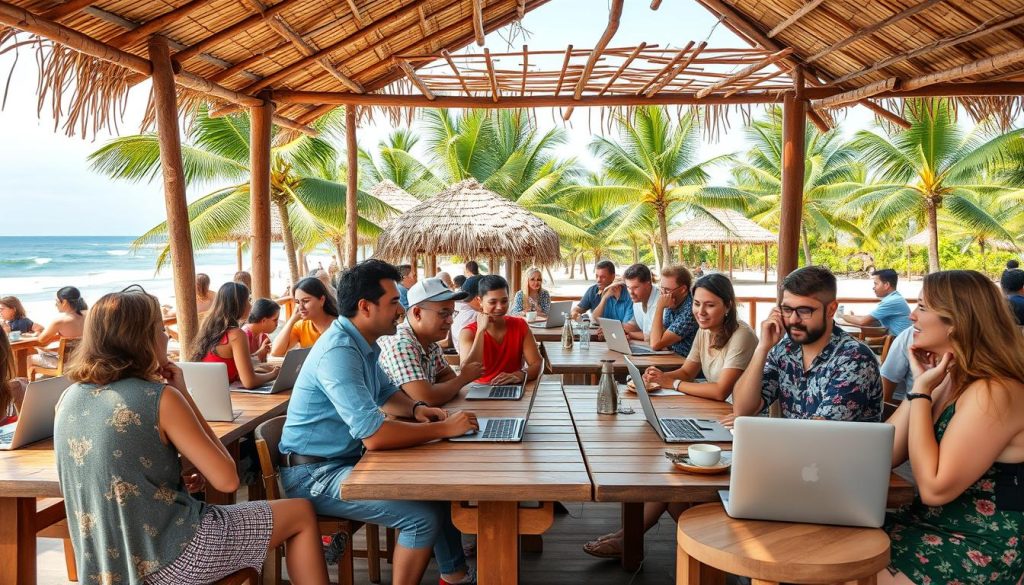
Expat communities across Southeast Asia offer social connections and support networks for newcomers
Why Westerners Relocate to Southeast Asia
Financial Benefits
- Significantly lower cost of living compared to Western countries
- Luxury lifestyle accessible on modest budgets
- Affordable healthcare with high-quality international hospitals
- Retirement funds and pensions stretch much further
- Domestic help and services affordable for middle-income earners
Lifestyle Advantages
- Year-round warm climate (with cooler mountain options)
- Rich cultural experiences and learning opportunities
- Excellent food scene from street stalls to fine dining
- Proximity to world-class beaches and natural attractions
- Slower pace of life with emphasis on work-life balance
Professional Opportunities
- Growing startup and entrepreneurial ecosystems
- Teaching English and other language opportunities
- Remote work infrastructure with reliable internet
- Lower business startup costs and overhead
- Strategic location for businesses targeting Asian markets
Cost of Living Comparison
| Expense Category | Bangkok, Thailand | Chiang Mai, Thailand | Ho Chi Minh City, Vietnam | Bali, Indonesia |
| Monthly rent (1BR apartment) | $500-800 | $300-500 | $400-700 | $350-700 |
| Utilities (electricity, water, internet) | $100-150 | $80-120 | $80-120 | $100-150 |
| Local meal | $2-5 | $1.50-4 | $2-4 | $2-5 |
| Western meal | $8-15 | $6-12 | $7-15 | $8-15 |
| Local transportation (monthly) | $30-80 | $30-100 (scooter rental) | $20-70 | $50-120 (scooter rental) |
| Gym membership | $30-80 | $20-50 | $25-60 | $30-80 |
| Total monthly budget (comfortable) | $1,200-1,800 | $800-1,300 | $900-1,500 | $1,000-1,600 |
Popular Expat Hubs
Thailand
- Chiang Mai: Digital nomad capital with excellent infrastructure, cultural attractions, and mountain scenery
- Bangkok: Metropolitan lifestyle with international amenities and excellent transportation
- Hua Hin: Seaside retirement haven with healthcare facilities and golf courses
- Phuket: Island living with international schools and developed infrastructure
Vietnam
- Ho Chi Minh City: Economic hub with entrepreneurial opportunities and vibrant urban lifestyle
- Da Nang: Coastal city with excellent quality of life and growing expat community
- Hoi An: Charming historic town with slower pace and beautiful surroundings
- Hanoi: Cultural capital with French influence and lower costs than HCMC
Other Popular Locations
- Bali, Indonesia: Creative hub with spiritual elements and stunning landscapes
- Penang, Malaysia: Colonial architecture, excellent healthcare, and renowned food scene
- Phnom Penh, Cambodia: Emerging opportunity center with low costs and entrepreneurial options
- Kuala Lumpur, Malaysia: Modern city with excellent infrastructure and multicultural environment

Chiang Mai has established itself as a global hub for digital nomads with excellent coworking spaces and affordable living
Practical Travel Tips
These essential practical tips will help you navigate Southeast Asia smoothly, from basic language phrases to managing money and staying connected.
Language Basics
While English is widely spoken in tourist areas, learning a few basic phrases in the local language shows respect and often leads to warmer interactions.
| Phrase | Thai | Vietnamese | Indonesian | Khmer (Cambodia) |
| Hello | Sawadee kha/krap | Xin chào | Halo | Sua s’dei |
| Thank you | Khob khun kha/krap | Cảm ơn | Terima kasih | Arkoun |
| How much? | Tao rai? | Bao nhiêu? | Berapa? | Tlay ponman? |
| Delicious | Aroi | Ngon | Enak | Ch’ngain |
| Too expensive | Paeng pai | Đắt quá | Terlalu mahal | T’lai na |
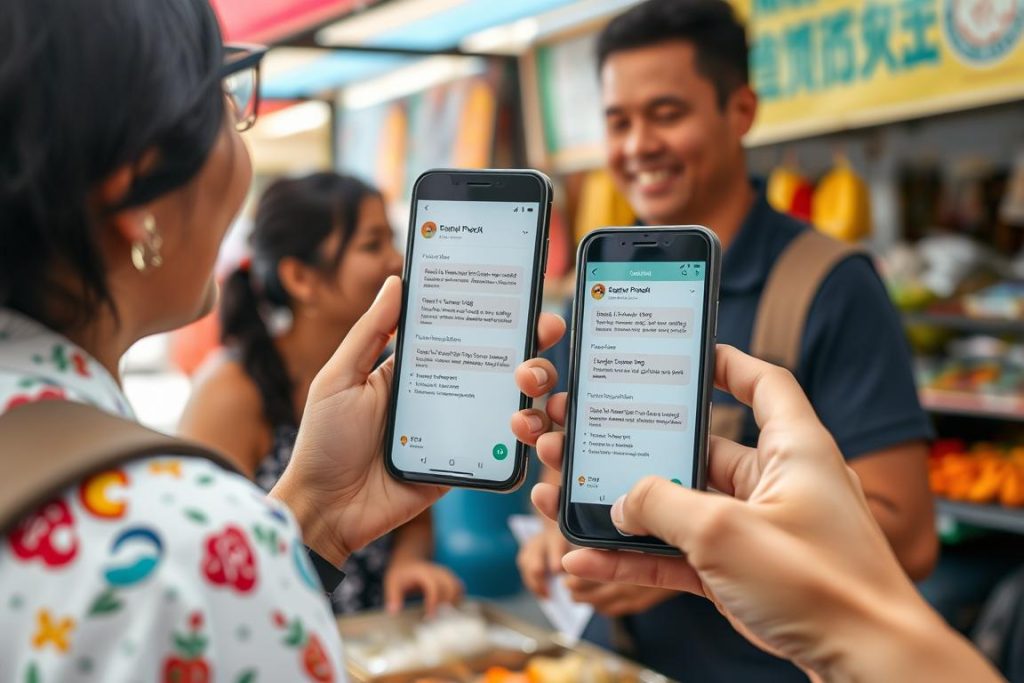
Translation apps can bridge communication gaps when basic phrases aren’t enough
Currency and Money Tips
Cash Considerations
- Cash remains king in many parts of Southeast Asia, especially outside major cities
- ATMs are widely available in tourist areas but may charge significant fees
- Inform your bank of travel plans to prevent card blocks
- Carry small denominations for markets, street food, and transportation
- Some countries (Vietnam, Cambodia) widely accept US dollars alongside local currency
Cards and Digital Payments
- Major credit cards accepted at hotels, shopping malls, and upscale restaurants
- Consider cards with no foreign transaction fees
- Digital payments (QR codes) increasingly common in Thailand, Vietnam, and Singapore
- Mobile payment apps like GrabPay gaining popularity in major cities
- Always have cash backup even in developed areas
Money Exchange Tips
- Compare rates between airport exchanges, banks, and authorized money changers
- Avoid exchanging at hotels where rates are typically poor
- Count money carefully before leaving exchange counters
- Be wary of “no commission” claims that hide poor exchange rates
- Exchange only what you need to avoid converting back at unfavorable rates
Connectivity and Digital Infrastructure
SIM Cards and Data
- Local SIM cards available at airports and convenience stores
- Bring an unlocked phone to use local SIMs
- Tourist SIM packages typically offer generous data allowances
- Prices range from $5-15 for 7-15 days of data
- Consider eSIMs for newer phones to avoid physical SIM swapping
Wi-Fi Availability
- Free Wi-Fi standard in accommodations, cafes, and restaurants
- Quality and speed vary significantly by location
- Singapore and Malaysia offer the most reliable connections
- Rural areas may have limited or slower connectivity
- Consider a portable Wi-Fi device for consistent coverage
Digital Nomad Infrastructure
- Coworking spaces abundant in major cities and digital nomad hubs
- Daily passes typically $5-15, monthly memberships $80-200
- Cafe culture supports remote work with power outlets and Wi-Fi
- Coliving spaces combining accommodation and workspace growing in popularity
- Fiber internet increasingly available in urban apartments
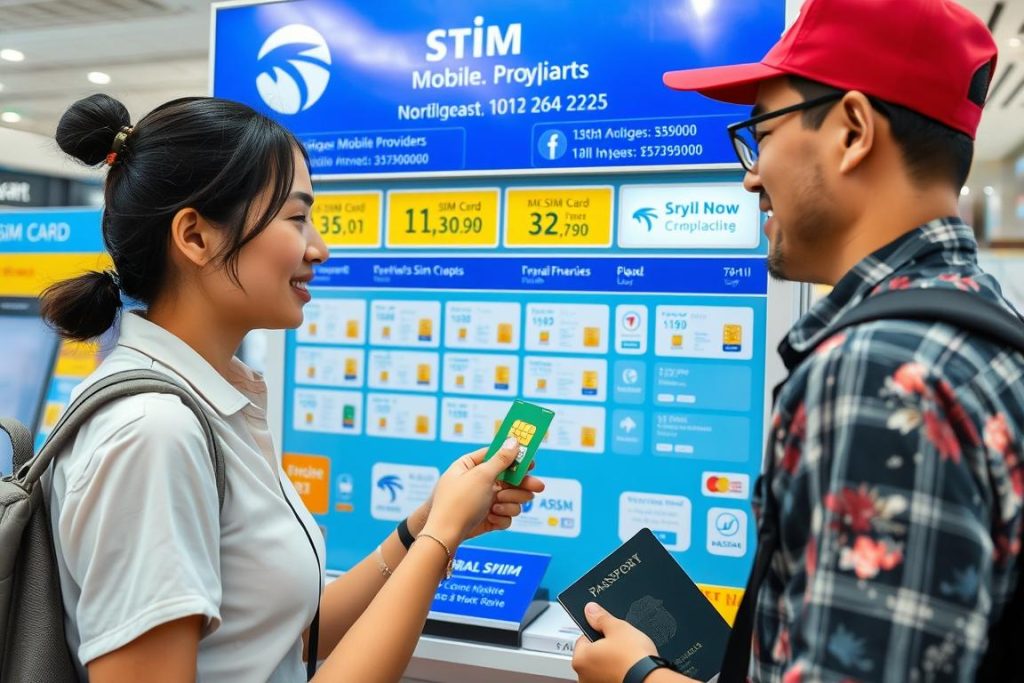
Purchasing a local SIM card upon arrival is one of the most practical first steps when visiting Southeast Asia
Stay Connected in Southeast Asia
Get reliable internet access throughout your journey with portable WiFi or eSIM options.
Essential Resources for Your Southeast Asia Trip
Make your Southeast Asia adventure smoother and more enjoyable with these carefully selected services and resources that help with everything from finding the perfect accommodation to securing comprehensive travel insurance.
Accommodation Options
Budget-Friendly Stays
Southeast Asia offers exceptional value in the budget category, from social hostels to charming guesthouses. Booking platforms like Hostelworld specialize in budget options with reliable reviews from fellow travelers.
Mid-Range Hotels
The mid-range category in Southeast Asia often offers incredible value, with boutique hotels and comfortable resorts at prices that would be considered budget in Western countries. Booking.com provides the widest selection across the region.
Unique Properties
For distinctive stays from jungle treehouses to floating bungalows, platforms like Airbnb offer unique properties throughout the region, often providing a more authentic experience and direct connection with local hosts.
Tours and Experiences
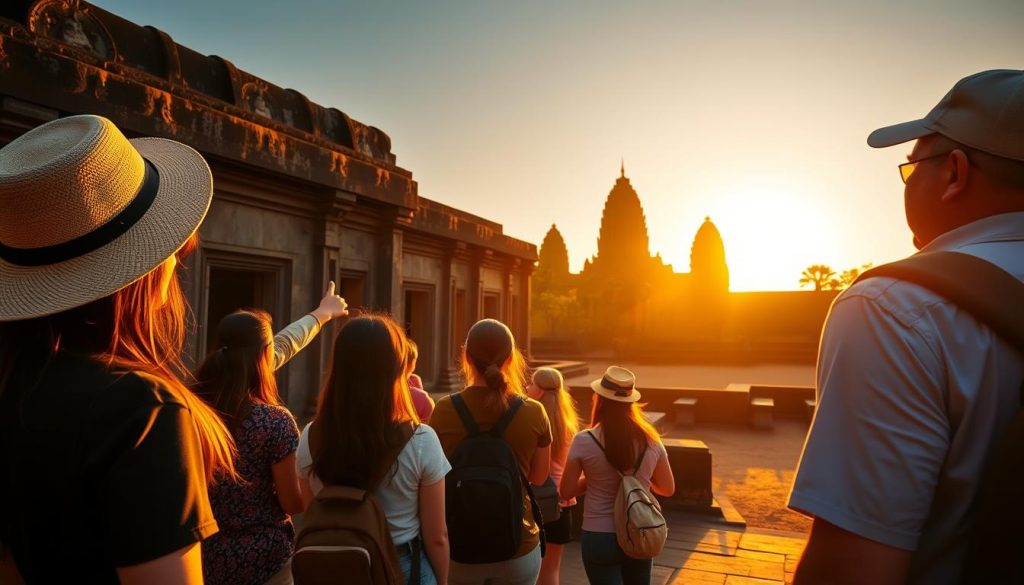
Expert local guides can transform your experience of iconic sites like Angkor Wat with their knowledge and insights
Cultural Experiences
Enhance your understanding of Southeast Asia’s rich cultures with cooking classes, craft workshops, and guided temple tours. GetYourGuide offers a wide selection of cultural activities with flexible cancellation policies.
Adventure Activities
From diving excursions in Thailand to motorbiking the Ha Giang Loop in Vietnam, adventure activities create unforgettable memories. Klook specializes in adventure experiences throughout Southeast Asia with competitive pricing.
Multi-Day Tours
For hassle-free exploration of multiple destinations, consider small-group tours that handle logistics while providing authentic experiences. Intrepid Travel offers responsible small-group adventures throughout the region.
Essential Travel Services
Travel Insurance
Comprehensive travel insurance is essential for Southeast Asia, where medical costs for foreigners can be significant and evacuation from remote areas may be necessary. World Nomads offers coverage specifically designed for adventurous travelers.
Flight Deals
Finding affordable flights both to and within Southeast Asia can significantly impact your travel budget. Skyscanner excels at finding the best combinations of regional carriers and budget airlines for optimal pricing.
Travel Credit Cards
The right travel credit card can eliminate foreign transaction fees, provide lounge access during layovers, and offer points for future travel. NerdWallet compares the best travel card options with detailed benefits analysis.
Ready for Your Southeast Asia Adventure?
Start planning your dream trip with our comprehensive resources and expert recommendations.
Why Southeast Asia Is the Ultimate Travel Destination in 2025
As we’ve explored throughout this guide, Southeast Asia offers an unparalleled combination of experiences that make it the world’s most compelling travel destination in 2025. The region’s remarkable diversity allows you to craft exactly the journey you desire – whether that’s a two-week cultural immersion, a month-long backpacking adventure, or even a permanent lifestyle change as an expat.
The magical landscapes and experiences of Southeast Asia create memories that last a lifetime
What makes Southeast Asia truly special is how it rewards every type of traveler. Adventure seekers find world-class diving, epic motorcycle routes, and jungle treks. Culture enthusiasts discover ancient temples, living traditions, and vibrant festivals. Food lovers experience some of the world’s most celebrated cuisines at every price point. Digital nomads enjoy ideal working conditions with beachfront views. And budget-conscious travelers stretch their funds further than anywhere else without sacrificing experiences.
The region’s tourism infrastructure has matured significantly, making travel more accessible than ever while still preserving the authentic experiences that travelers seek. From the gleaming modernity of Singapore to the timeless tranquility of Luang Prabang, Southeast Asia’s contrasts create a tapestry of experiences that can fill a lifetime of exploration.
Whether you’re planning your first visit or your fifteenth, Southeast Asia in 2025 promises unforgettable adventures, warm hospitality, and the perfect balance of comfort and excitement. The only challenge you’ll face is deciding when to book your return trip before you’ve even left.
Start Planning Your Southeast Asia Adventure Today!
Find the perfect accommodations, experiences, and travel essentials for your journey.


